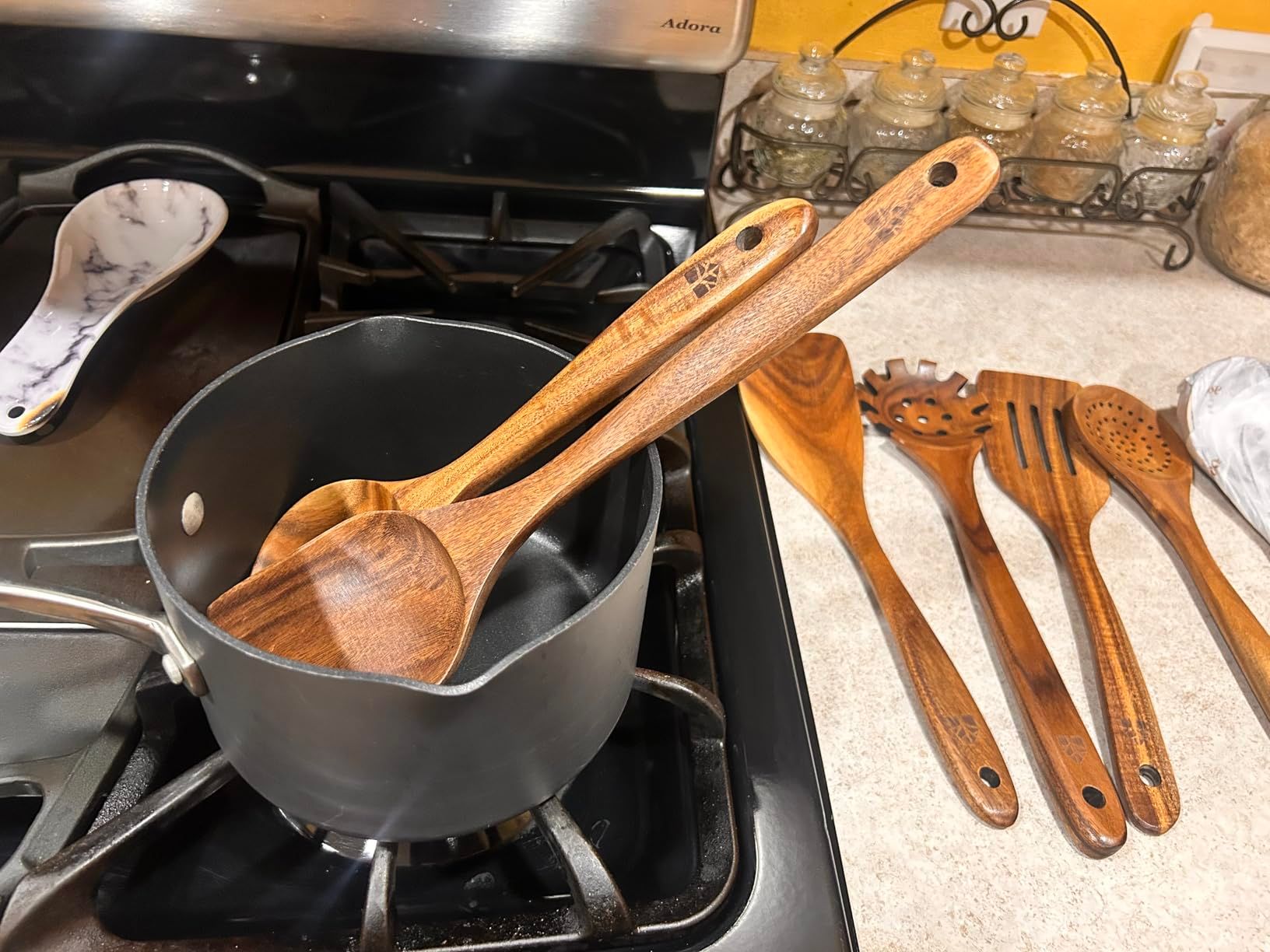
Bamboo Drawer Organizer Manufacturer: OEM Guide for B2B Kitchen Storage Buyers
Importers and kitchenware brands usually start a bamboo drawer organizer manufacturer search with a simple product photo. The real order is less simple. A drawer organizer has sliding rails, fixed dividers, smooth edges, exact carton dimensions, and retail packaging that must survive export handling. If one part is loose or the organizer does not expand cleanly, the product looks cheap even when the bamboo itself is attractive.
EcoWoodPlate, operated by Cao County Puchuang Wood Industry Co., Ltd., works as a Chinese wooden products manufacturer for B2B buyers sourcing wooden and bamboo kitchenware. This guide explains how to buy bamboo drawer organizers from a custom wooden products factory, what to check before sample approval, and how to build an OEM program that is easier to reorder.
What Is a Bamboo Drawer Organizer in B2B Sourcing?
A bamboo drawer organizer is a kitchen storage insert used to separate flatware, cooking tools, knives, measuring spoons, and small accessories inside a drawer. In wholesale sourcing, buyers usually compare fixed-size trays, expandable organizers, removable divider designs, and retail-ready boxed sets.
For a retail customer, the product is a clean home-organization item. For a buyer, it is a dimensional product. Width, length, compartment depth, divider thickness, rail movement, surface finish, and packaging all affect complaint rates. This is why a wooden kitchenware supplier should discuss more than the outside dimensions.
Why This Product Fits Importers and Private Label Brands
Bamboo drawer organizers sit between kitchenware, home storage, and natural-material home decor. That makes them useful for importers, Amazon sellers, supermarket buyers, kitchenware wholesalers, hardware chains, and home organization brands. The product photographs clearly, has a practical daily-use purpose, and offers enough surface area for private label packaging.
Unlike a decorative wooden item, the buyer can judge the function quickly. Does the organizer slide smoothly? Are the divider edges rounded? Does the tray sit flat? Can the retail box explain the size range without confusing consumers? These small points influence reviews and repeat orders.
Material Selection: Bamboo, Pine, Plywood, or MDF?
Bamboo is the common choice for drawer organizers because it has a clean grain, good surface hardness, and a natural kitchenware look. It also works well with light oiling or water-based finishing when buyers want a smoother hand feel. Still, not every order should be quoted blindly as bamboo.
Pine may be considered for lower-cost wooden organizers or rustic home storage lines, but it is softer and can dent more easily. Plywood can provide stable panels when the design uses covered surfaces or painted finishes. MDF is useful for painted storage inserts, but buyers should check moisture sensitivity, edge sealing, and destination-market expectations before using it for kitchen drawers.
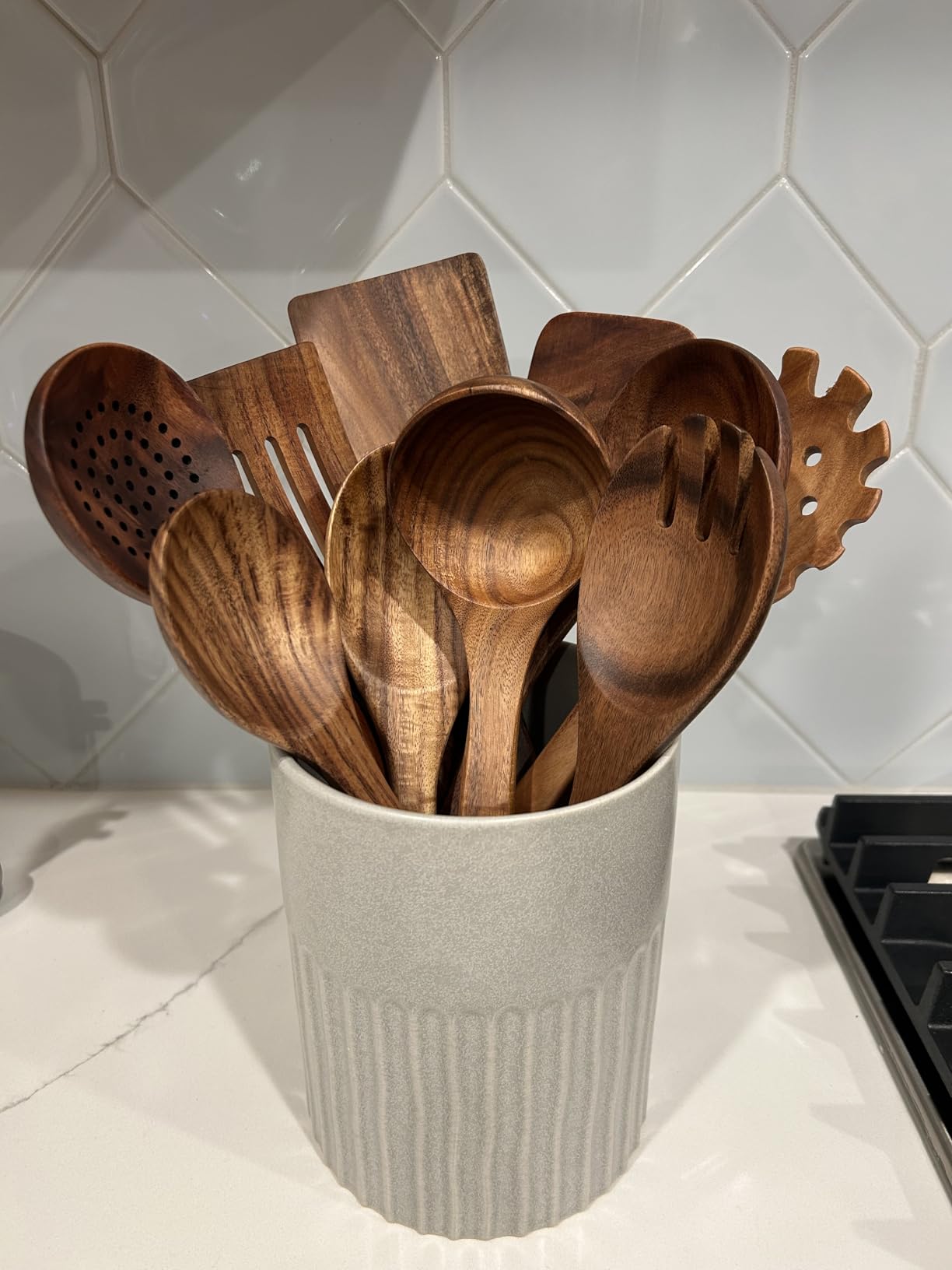
For a bamboo drawer organizer bulk order, ask the factory to confirm bamboo board thickness, lamination direction, moisture control, surface sanding grade, glue line appearance, and edge rounding. If the organizer is expandable, pay extra attention to the side panels and sliding section. That is where poor tolerances usually show first.
Specifications Buyers Should Confirm Before Quoting
A clear specification sheet saves time for both sides. A vague request such as “send price for bamboo organizer” usually leads to mismatched quotations because different factories may assume different thicknesses, packaging, and surface treatments.
| Specification | What to Confirm | Why It Matters |
|---|---|---|
| Size | Closed size, expanded size, height, compartment layout | Controls drawer fit and retail claims |
| Material | Bamboo board grade, thickness, color range | Affects stability, appearance, and cost |
| Finish | Natural, oiled, water-based coating, painted details | Affects hand feel and cleaning guidance |
| Logo | Laser engraving, printed logo, label, sleeve, insert card | Supports private label and retail branding |
| Packaging | Mail-order box, color box, kraft box, master carton | Reduces damage and improves shelf presentation |
| Inspection | Flatness, rail movement, burrs, cracks, carton drop resistance | Reduces returns and warehouse complaints |
Production Process Inside a Custom Wooden Products Factory
A stable production process starts with material selection. Bamboo panels should be checked for obvious color mismatch, open glue lines, cracks, and moisture problems before cutting. Panels are then cut to size, routed or grooved where needed, assembled with dividers and side rails, sanded, finished, dried, inspected, and packed.
For expandable organizers, the factory should test movement after assembly and again after finishing. Coating buildup or slightly oversized side panels can make the sliding section feel tight. On the other side, loose rails can make the product rattle in the drawer. A serious manufacturer checks this before cartons are sealed.
Logo testing should happen on the real bamboo surface, not only in a digital mockup. Laser engraving can look different depending on bamboo color and density. For private label orders, buyers should confirm logo size, position, burn depth, and whether the logo should appear on the product, packaging, or both.
OEM and ODM Customization Options
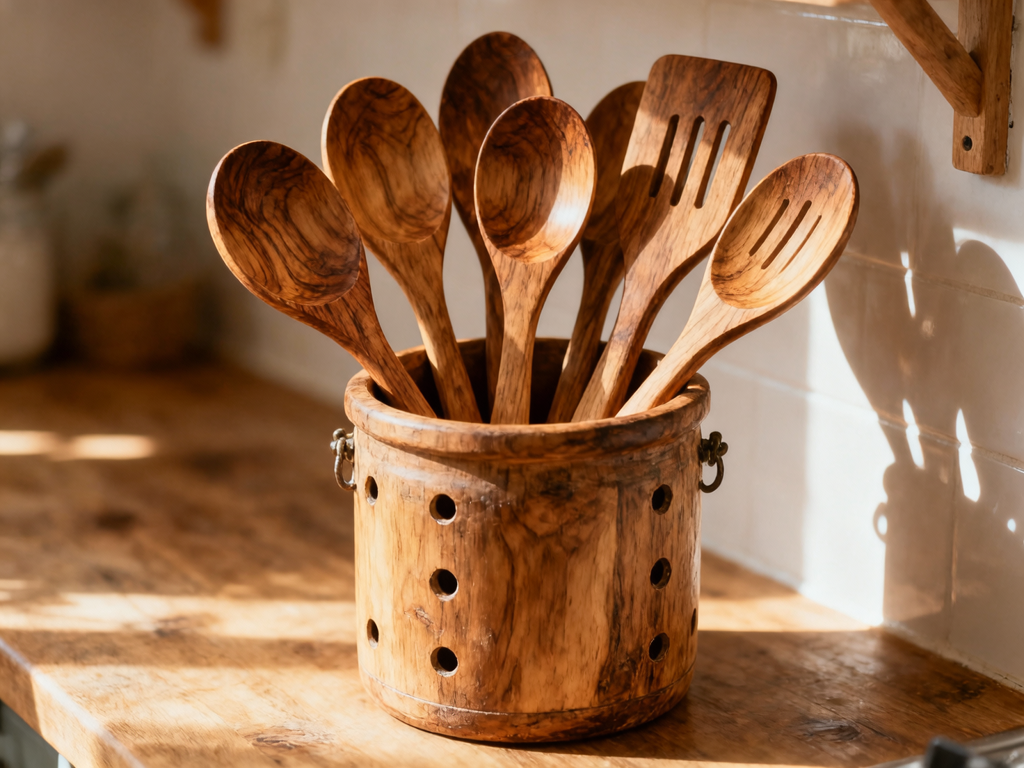
As an OEM wooden products supplier, EcoWoodPlate can discuss practical customization for bamboo drawer organizers without forcing every buyer into a fully new mold or design. Common OEM options include adjusted compartment layout, custom length and width, logo engraving, retail box artwork, instruction cards, barcode labels, carton marks, and bundled kitchen storage sets.
ODM work may involve a new organizer structure, different expansion range, removable dividers, knife slots, utensil compartments, or a matching product family with cutting boards, utensil holders, and trays. For new structures, buyers should expect more sampling work because fit and movement need physical testing.
Sample, MOQ, and Bulk Order Planning
Sample orders should answer three questions: does the organizer match the target drawer size, does the sliding or compartment structure feel right, and does the packaging support the sales channel? Do not approve a sample only from photos. Ask for a real sample, measure it, open and close the expansion section, check the bottom flatness, and test how it fits into the proposed retail box.
MOQ depends on size, material, logo method, packaging, and whether the buyer uses an existing design or a new structure. Standard models usually start lower than a fully custom ODM design, while printed packaging and new divider layouts may raise the minimum.
Quality Control Points That Prevent Common Complaints
Common buyer concerns from sourcing forums are consistent: acceptable samples, then bulk goods with rough edges, inconsistent size, weak cartons, color variation, or poorly communicated changes. The fix is a clearer inspection standard before production starts.
- Moisture and flatness: check panels before cutting and finished organizers before packing.
- Edge sanding: run fingers along dividers, corners, and the expansion rails to catch burrs.
- Size tolerance: measure closed and expanded dimensions from different cartons.
- Movement: test the sliding section after finishing, not only after assembly.
- Surface finish: check stains, coating buildup, rough patches, odor, and color range.
- Logo consistency: compare engraving position and darkness against the approved sample.
- Packaging: inspect inner protection, retail box fit, carton strength, and carton marks.
Packaging and Shipping Advice for Importers
Drawer organizers look sturdy, but corners and divider edges can be damaged if the product moves inside the retail box. For e-commerce sellers, the retail box may also need to survive courier delivery after warehouse storage. Buyers should discuss inner paper protection, corner guards, fitted inserts, shrink wrap if appropriate, and master carton stacking strength.
Buyer Checklist Before Placing an Order
- Confirm target market, sales channel, and expected drawer size range.
- Choose bamboo or another material based on function, price level, and brand positioning.
- Prepare a specification sheet with dimensions, compartments, finish, logo, and packaging.
- Review a physical sample and compare it with the quotation and artwork file.
- Approve logo position, packaging layout, barcode, instructions, and carton marks.
- Set inspection points for size, flatness, edge sanding, movement, color, and carton strength.
- Confirm MOQ, production lead time, shipping method, and export documents before deposit.
FAQ: Bamboo Drawer Organizer Manufacturer
What should importers check before ordering bamboo drawer organizers in bulk?
Importers should check exact dimensions, expansion range, divider layout, bamboo thickness, sanding smoothness, rail movement, logo position, retail packaging, carton strength, and sample-to-bulk inspection standards.
Can bamboo drawer organizers be customized for private label brands?
Yes. Common private label options include laser logo, custom box artwork, paper sleeve, insert card, barcode label, carton mark, adjusted compartment layout, and bundled kitchen storage sets.
Is bamboo better than wood or MDF for kitchen drawer organizers?
Bamboo is often preferred for natural kitchen storage because it is hard, clean-looking, and suitable for visible home organization products. Pine, plywood, or MDF may fit other price points or painted designs, but each material needs different QC checks.
How does a factory control size consistency?
The factory should control panel cutting, divider assembly, sanding, finishing thickness, and final measurement by carton. Expandable models also need movement testing after coating and drying.
What packaging is recommended for export orders?
For wholesale and e-commerce orders, use a fitted retail box or kraft box with inner protection, then pack into a strong master carton. Buyers should confirm drop resistance, carton marks, barcode labels, and pallet requirements before shipment.
Working with EcoWoodPlate
EcoWoodPlate, the export brand of Cao County Puchuang Wood Industry Co., Ltd., supports B2B buyers looking for a bamboo drawer organizer manufacturer, wooden kitchenware supplier, wooden gift box supplier, wooden pet products manufacturer, or broader wooden products manufacturer China partner. Our team can discuss materials, sample confirmation, OEM packaging, logo tests, carton protection, and repeat-order consistency.
If you are preparing a custom bamboo drawer organizer, private label kitchen storage line, or mixed wooden kitchenware program, send your target dimensions, order quantity, logo file, packaging idea, and destination country through ecowoodplate.com. We will help you turn the request into a clear quotation and sample plan before bulk production.
Need Factory Direct OEM/ODM Pricing?
Send your product, quantity, logo, packaging and destination country. Our factory team will reply with quotation guidance.
Request Factory Quote