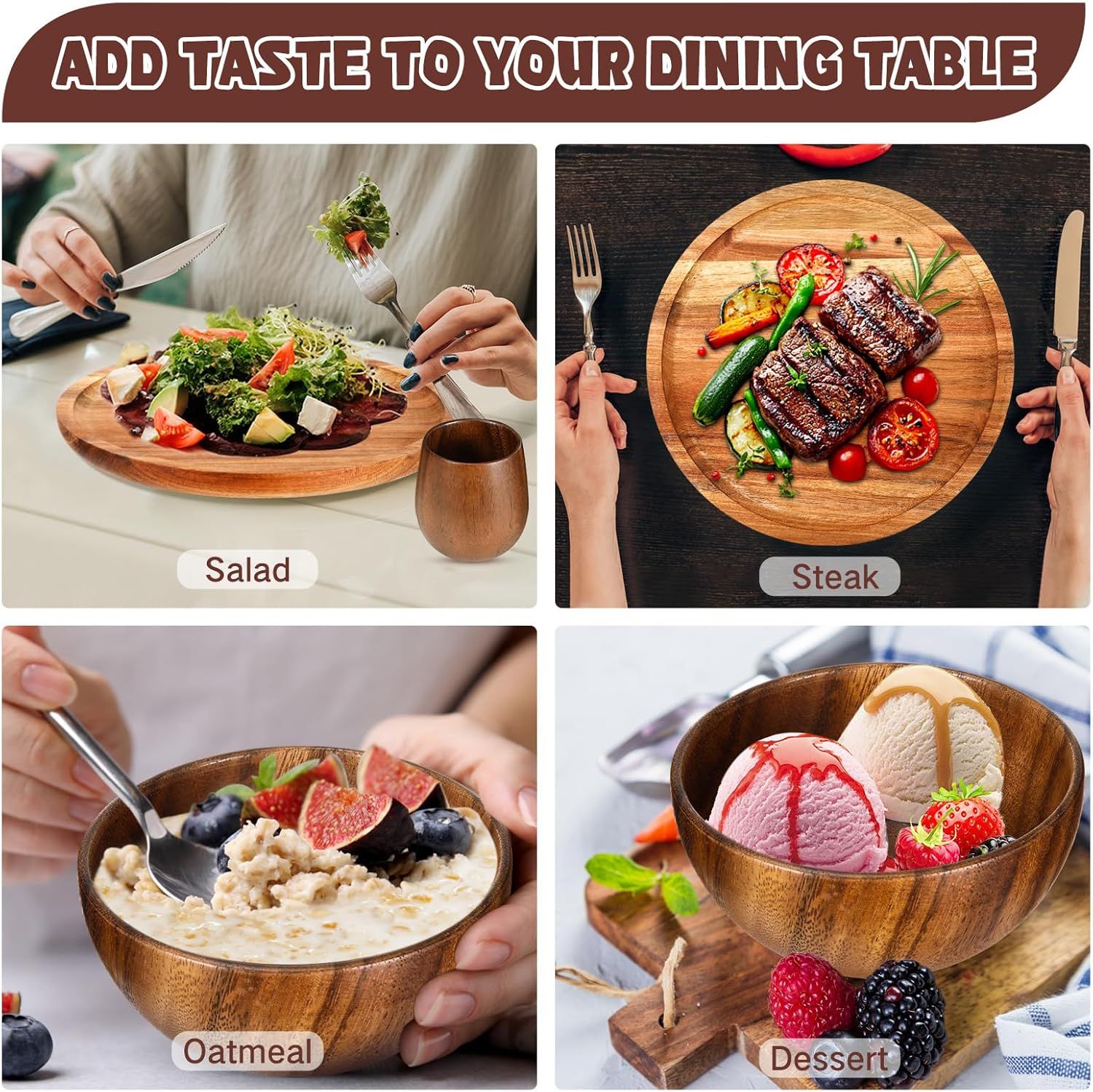
Tableware Material Comparison: Making Informed Choices
Choosing the right material for tableware affects product quality, customer satisfaction, environmental impact, and pricing positioning in the market. This comprehensive comparison helps buyers understand trade-offs between bamboo, wood, and plastic options to make informed sourcing decisions.
Wooden Tableware Analysis
Advantages of Wood
Natural antibacterial properties enhance food safety during preparation and serving. Unique grain patterns create visual appeal and individual character. Durable with proper care providing long service life that justifies investment. Premium aesthetic perception supports higher pricing and positioning. Biodegradable at end of life for environmental responsibility.
Considerations for Wood Products
Requires maintenance including regular oiling for optimal performance. Not dishwasher safe in most cases requiring hand washing. Higher initial cost than alternatives affects price positioning. Natural variations require quality control to maintain consistency.
Best Applications for Wood
Cutting boards and serving platters for restaurants and homes. Premium presentation pieces for entertaining and hospitality. Retail products for quality-conscious consumers seeking value. Corporate gifts and promotional items requiring quality impression.
Bamboo Products Analysis
Advantages of Bamboo
Rapidly renewable resource with 3-5 year harvest cycles ensuring sustainability. Naturally moisture resistant reducing maintenance requirements. Lightweight yet strong for practical daily use. Often less expensive than hardwoods for budget positioning. Distinctive aesthetic appeal differentiating from other materials.
Considerations for Bamboo
May require more frequent replacement than quality hardwoods. Can splinter with heavy use requiring quality sourcing. Limited thickness options compared to solid wood construction. Quality varies significantly by manufacturer requiring supplier evaluation.
Plastic Alternatives Analysis
Advantages of Plastic
Lowest cost option available for budget market segments. Dishwasher safe for easy cleaning and convenience. Wide color and style options for variety. Consistent quality and appearance across production. Lightweight for easy handling and shipping.
Disadvantages of Plastic
Environmental concerns dominate consumer perception in many markets. Can harbor bacteria in scratches despite cleaning. Less premium appearance limiting positioning options. Increasing regulatory restrictions in many jurisdictions. End-of-life disposal issues persist in landfills.
Recommendations for B2B Buyers
For premium market positioning, wooden tableware offers best value proposition combining quality, durability, and environmental appeal. For sustainability-focused products, bamboo provides eco-friendly alternative with competitive pricing. For budget segments, plastic remains viable where regulations permit.
EcoWoodPlate Tableware Solutions
We offer wooden tableware across price points, bamboo alternatives for eco-positioning, and quality assurance for consistent products.
Contact us to discuss tableware requirements for your market positioning.
Need Factory Direct OEM/ODM Pricing?
Send your product, quantity, logo, packaging and destination country. Our factory team will reply with quotation guidance.
Request Factory Quote