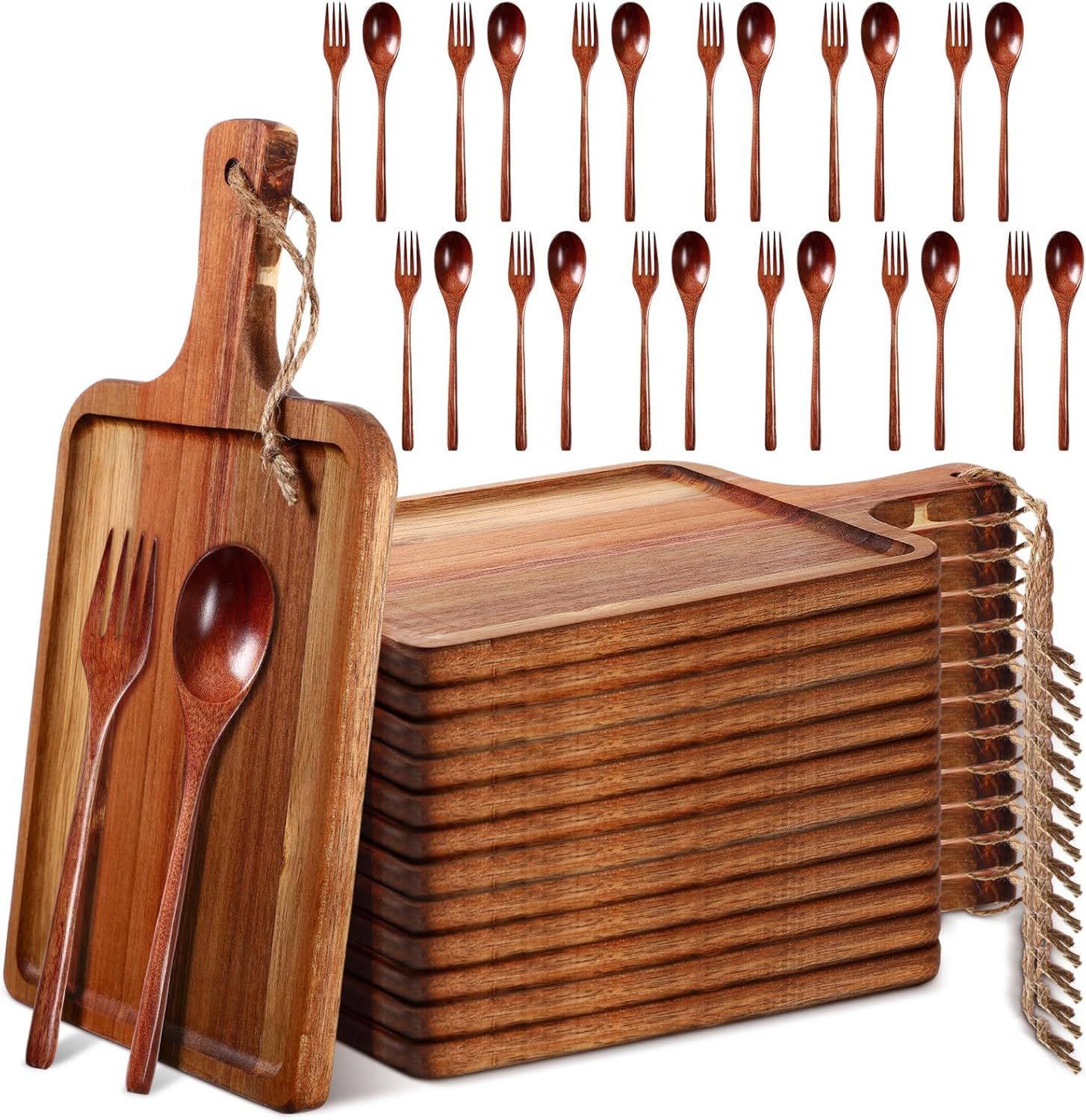
Wooden products can crack, warp, cup, smell musty, or develop mold when moisture is not controlled before production, during finishing, or inside export packaging. For importers, wholesalers, brand owners, Amazon sellers, retail buyers, and private label customers, moisture control is not a small workshop detail. It affects product appearance, carton damage claims, customer reviews, and whether the second order is easier or harder than the first one.
EcoWoodPlate, operated by Cao County Puchuang Wood Industry Co., Ltd., works through ecowoodplate.com as a Chinese wooden products manufacturer for B2B buyers sourcing custom wooden products, wooden kitchenware, gift boxes, trays, cutting boards, pet products, and private label wooden products. This guide explains what buyers should check before approving samples and placing bulk orders with a wooden products manufacturer China supplier.
What Moisture Control Means in a Wooden Products Factory
Wood absorbs and releases moisture as the surrounding air changes. If material is too wet during cutting, sanding, assembly, coating, or packing, the finished item may change shape after it reaches a drier warehouse or a different climate. If finished products are packed too soon after coating, moisture and odor can remain inside cartons.
Good moisture control is a process, not a single number on a quotation sheet. A custom wooden products factory should check incoming material, separate risky boards, control storage, allow enough time before finishing, inspect assembled parts, and choose packaging that protects the product without trapping moisture.
Which Wooden Products Need the Most Attention?
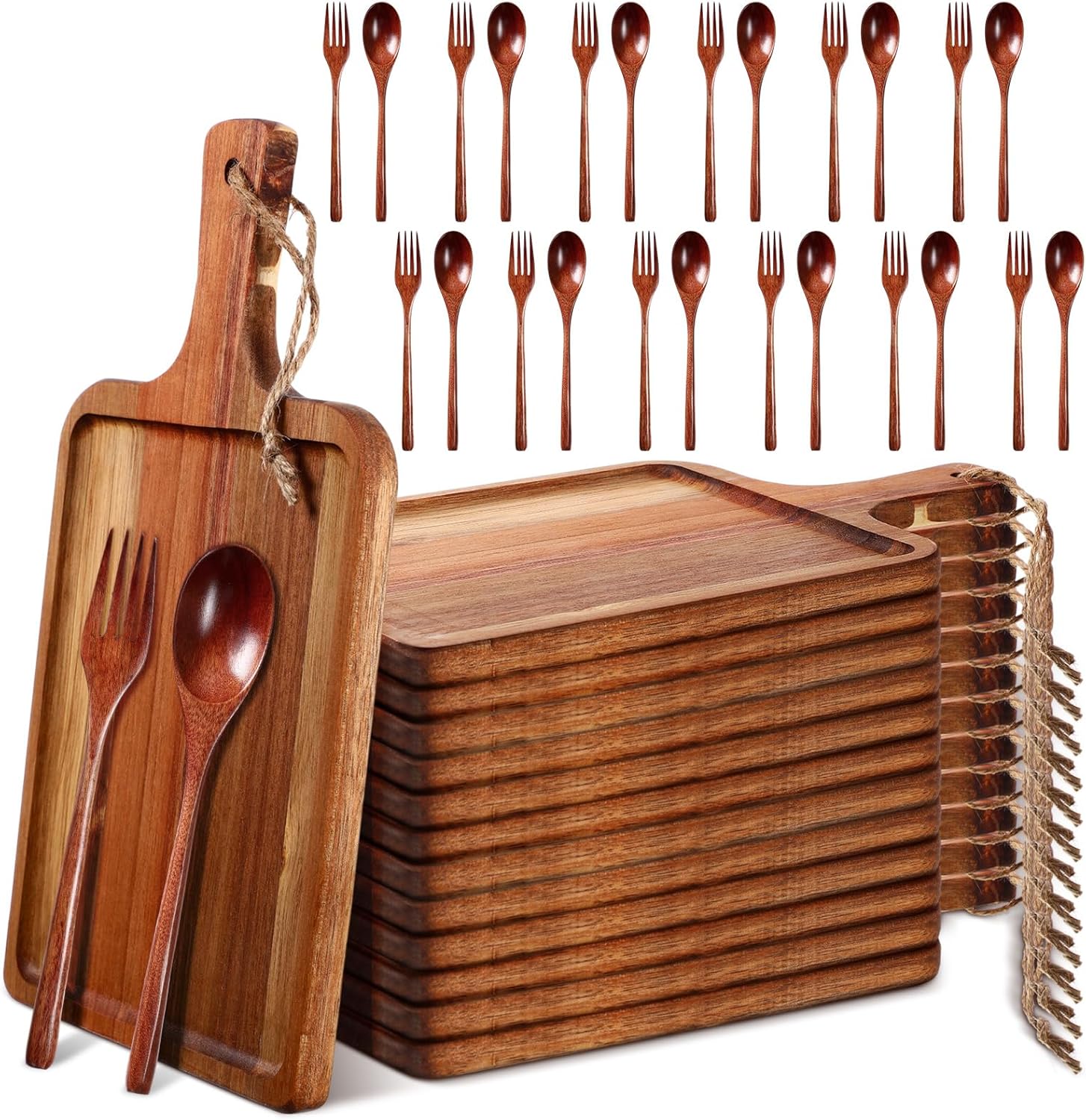
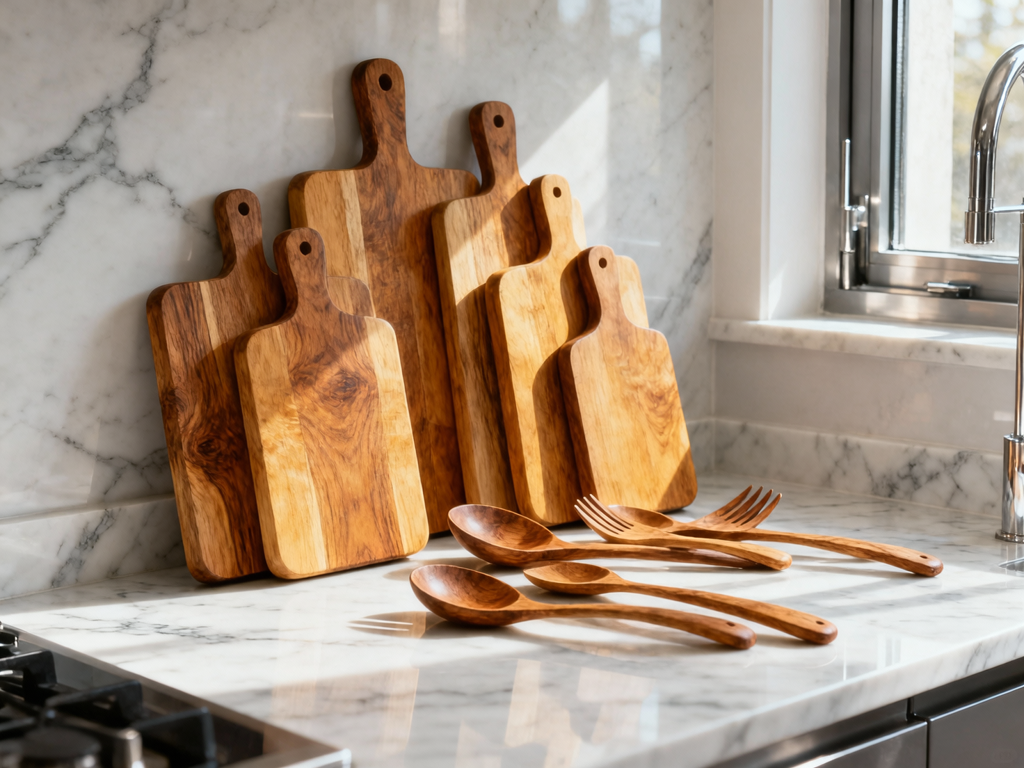
Moisture control matters for nearly every wooden product, but the risk is more visible on wide, flat, fitted, or assembled items. Wooden cutting boards, bread slicers, serving trays, drawer-style wooden gift boxes, pet bowl stands, disposable wooden plates wholesale orders, and laser engraved wooden products all need practical inspection points.
Flat kitchenware can cup or twist. A wooden gift box may have a lid that becomes too tight or too loose. A pet feeder can show gaps around screw holes. A tray can open slightly at the corner joint. A logo engraving sample can look acceptable, but the bulk order may show uneven burn color if the surface density and moisture vary too much.
Material Selection: Stability Comes Before Appearance
Buyers often start with appearance: acacia grain, bamboo color, beech smoothness, paulownia light weight, or a darker stained finish. Appearance matters, but stability should come first. Solid wood has natural grain variation and moves more than plywood or engineered panels. Bamboo is stable in many kitchenware applications, but it still needs controlled storage and finishing. Paulownia is light and useful for boxes and decorative products, while denser hardwoods are often selected for boards and trays.
A wooden kitchenware supplier should ask where the product will be used. A cutting board for a dry inland warehouse, a wooden tray for humid coastal hotels, and a gift box shipped in winter to a heated retail store do not face the same risk. For OEM wooden products supplier projects, material choice should match the product shape, thickness, coating, packaging, and destination climate.
Production Steps That Affect Moisture Risk
Moisture problems can enter the order at several points. Incoming boards may not be stable enough. Semi-finished parts may be stacked too tightly after cutting. Sanded parts may wait in a humid area before coating. Finished items may be packed before the coating is settled. None of these issues is dramatic on the first day, but they can appear after ocean shipping or warehouse storage.
For factory direct wooden products, importers should ask how the supplier manages incoming inspection, material sorting, CNC cutting or turning, sanding, coating, logo testing, final assembly, and pre-shipment checks. EcoWoodPlate uses practical order checkpoints such as sample confirmation, surface inspection, logo position confirmation, and carton protection planning before shipment.
OEM and ODM Customization Points Buyers Should Confirm
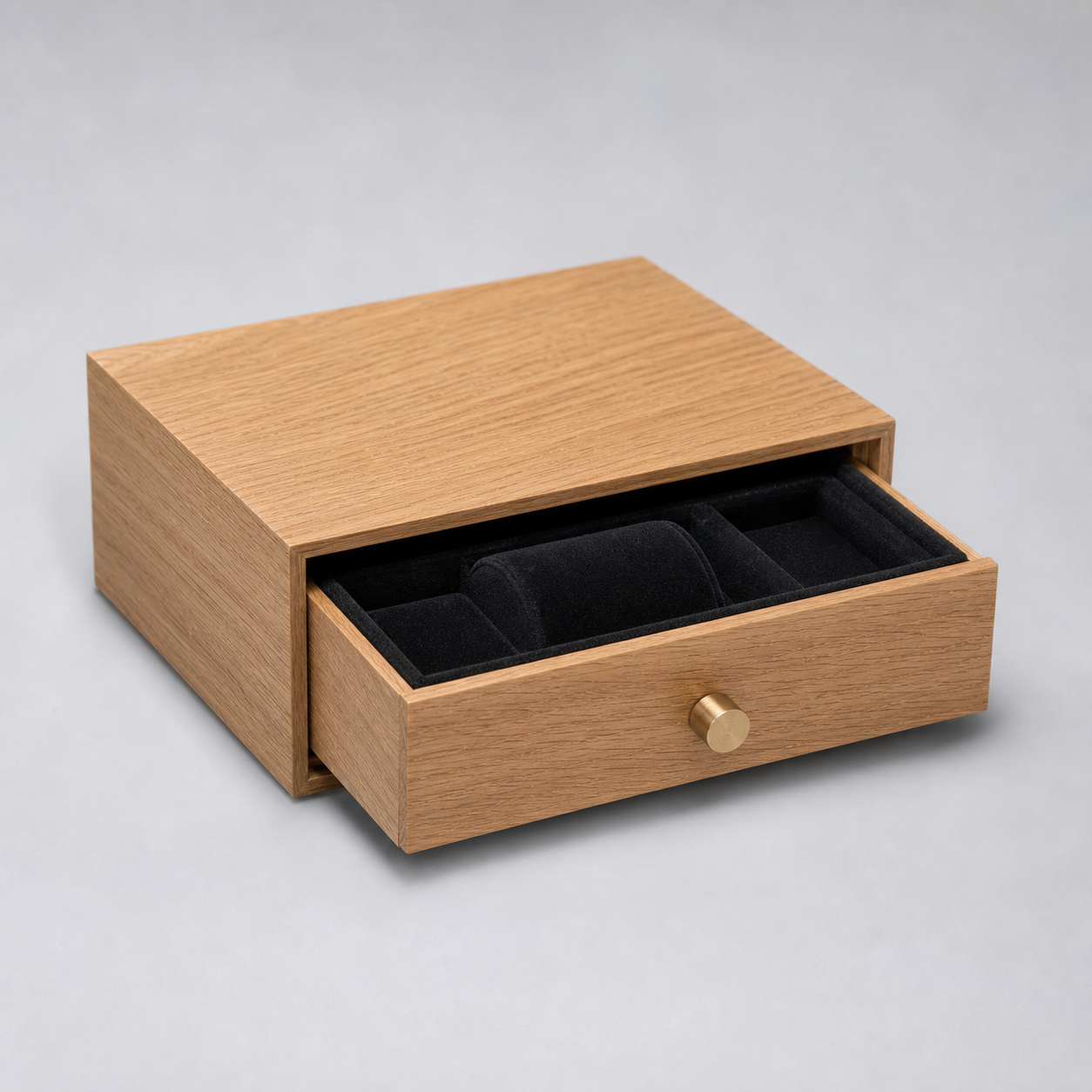
OEM and ODM customization can increase moisture risk when the product has tight tolerances. A drawer-style wooden box needs clearance so the drawer still moves after climate changes. A wooden bread slicer needs stable guide slots. A cutting board with a juice groove needs enough thickness so the board stays flat. A pet feeder with screw assembly needs accurate holes after finishing.
Before mass production, confirm the drawing, dimensions, tolerance range, logo artwork, surface treatment, color sample, packaging style, and carton plan. For private label wooden products, retail packaging should also be checked because a tight color box can press against corners or lids during shipping.
Sample Orders, MOQ, and Bulk Consistency
A sample is not only for photos. Importers should use samples to check dimensions, weight, surface feel, coating odor, logo clarity, packaging protection, and short-term stability. Keep one approved sample as the reference for bulk production. Ask the factory to compare random bulk units with the approved sample before final packing.
MOQ depends on material, size, customization, packaging, and production setup. Buyers should avoid judging MOQ only by unit price. A small trial order can still require material preparation, logo setup, packaging design, and inspection time. A reasonable supplier should explain what changes when the order moves from sample to bulk order.
Moisture and Quality Control Checklist for Importers
| QC point | What to check before approval |
|---|---|
| Material | Wood species, grain range, color tolerance, visible cracks, knots, and warping risk. |
| Moisture | Incoming material condition, storage method, and whether the product is stable before finishing. |
| Dimensions | Length, width, thickness, hole position, drawer or lid clearance, and assembly fit. |
| Surface | Sanding smoothness, coating consistency, rough edges, odor, and color difference. |
| Logo | Position, size, engraving depth, burn color, and consistency across different grain patterns. |
| Packaging | Inner protection, carton strength, product movement, corner protection, and export marks. |
| Bulk consistency | Random bulk units compared with the approved sample before shipment. |
Packaging and Shipping Advice
Many moisture complaints appear after shipping, not inside the factory. Export packaging should protect the product from rubbing and impact while avoiding trapped moisture. For wooden kitchenware, gift boxes, trays, and pet products, buyers can discuss inner bags, paper wrapping, dividers, corner protection, desiccant use when appropriate, carton thickness, and pallet loading.
If products are heavy, carton stacking strength matters. If products are sold in retail boxes, the retail box should not press too tightly on corners, handles, or lids. For mixed-SKU bulk wooden products supplier orders, carton labels should make inspection and warehouse receiving easier.
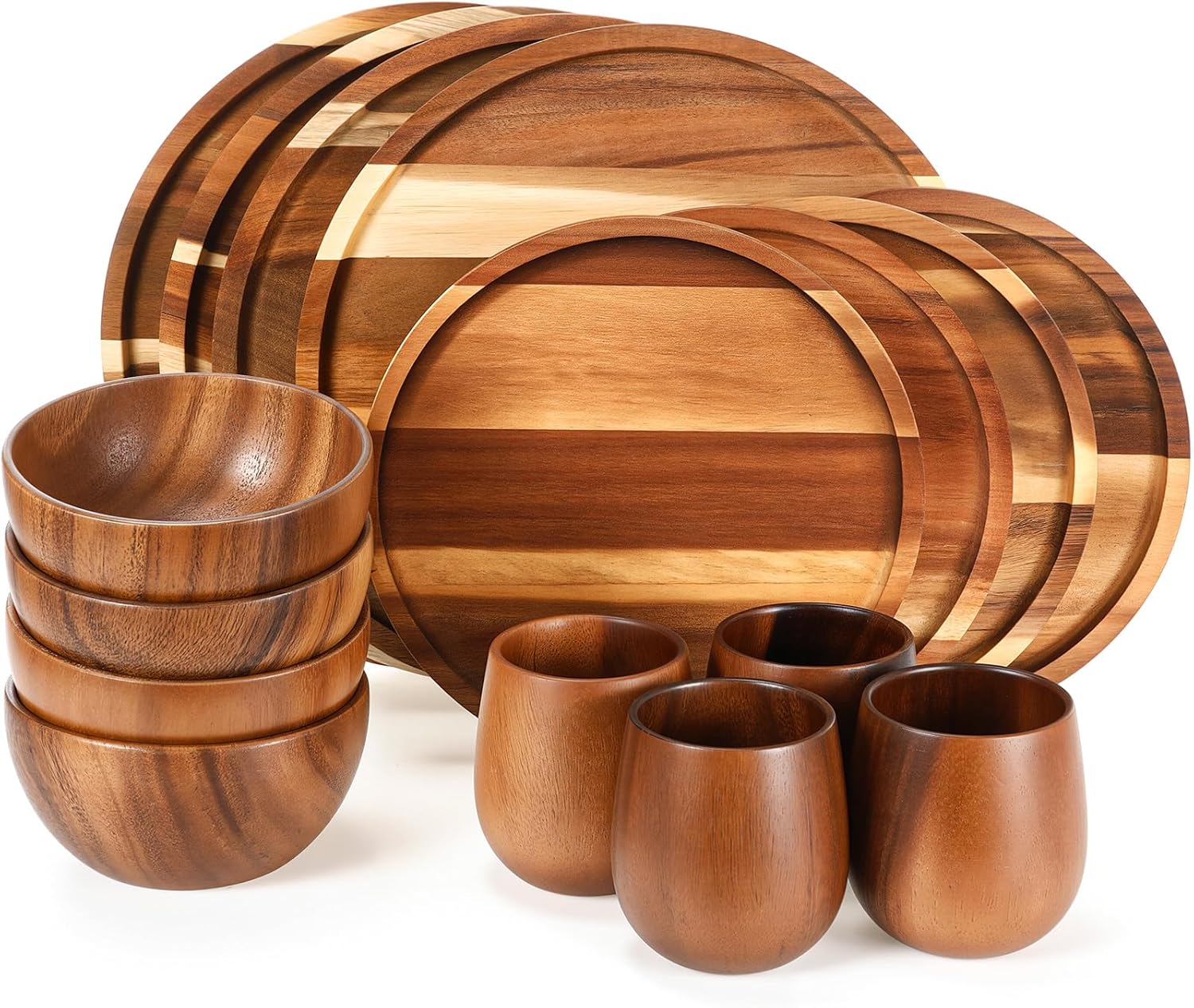
How to Verify a Chinese Wooden Products Manufacturer
Supplier verification should include more than a catalog. Ask for product-specific material options, sample photos, production steps, packaging examples, and quality control checkpoints. Check whether the supplier can explain why a product might crack or warp, not only say that it will not happen.
A reliable Chinese wooden products manufacturer should be able to discuss material selection, moisture control, surface treatment, logo testing, sample approval, bulk consistency, and export packaging in practical terms. If the project is custom, ask what details are needed for an accurate quote: size, thickness, material, finish, logo method, quantity range, packaging style, and destination market.
Buyer Procurement Checklist
- Confirm the product use environment and target market climate.
- Select material based on stability, structure, finish, and cost target.
- Approve a physical sample before bulk production.
- Check dimensions, fit, logo, coating, odor, and packaging on the sample.
- Keep one approved sample for bulk comparison.
- Request production and packaging photos before shipment.
- Confirm carton protection, labels, and export packing method.
- Use pre-shipment inspection for first orders or complex OEM projects.
FAQ
How do I source custom wooden products from China?
Start with product drawings or reference photos, confirm material and function, request samples, check logo and packaging details, then approve a bulk production standard before ordering.
How can I verify a Chinese wooden products manufacturer?
Ask for factory capability details, production photos, sample process, material options, packaging examples, and clear communication on MOQ, lead time, and inspection steps.
What causes wooden products to warp or crack?
Common causes include unsuitable material, unstable moisture content, rushed coating, poor storage, tight packaging, or large humidity changes after shipping.
What should importers check before bulk production?
Check material, dimensions, logo accuracy, coating, surface smoothness, packaging strength, carton labeling, and sample-to-bulk consistency.
How should logo engraving be confirmed?
Approve the artwork, position, size, engraving depth, and final appearance on the same or similar wood material before mass production.
What packaging is suitable for export wooden products?
Use packaging that prevents rubbing, protects corners, supports carton stacking, and avoids trapping moisture inside the carton. The best structure depends on product weight, shape, retail packaging, and shipment method.
Can EcoWoodPlate make private label wooden products?
EcoWoodPlate supports OEM and private label wooden products, including logo, size, surface treatment, packaging, and export carton customization depending on the product.
Talk to EcoWoodPlate About Moisture-Safe Wooden Product Orders
If you are comparing suppliers or preparing a new custom wooden product order, send EcoWoodPlate your product size, material preference, quantity range, logo method, packaging style, and target market through ecowoodplate.com/contact. Cao County Puchuang Wood Industry Co., Ltd. can review the structure and suggest practical sample, QC, and packaging points before bulk production.
Need Factory Direct OEM/ODM Pricing?
Send your product, quantity, logo, packaging and destination country. Our factory team will reply with quotation guidance.
Request Factory Quote