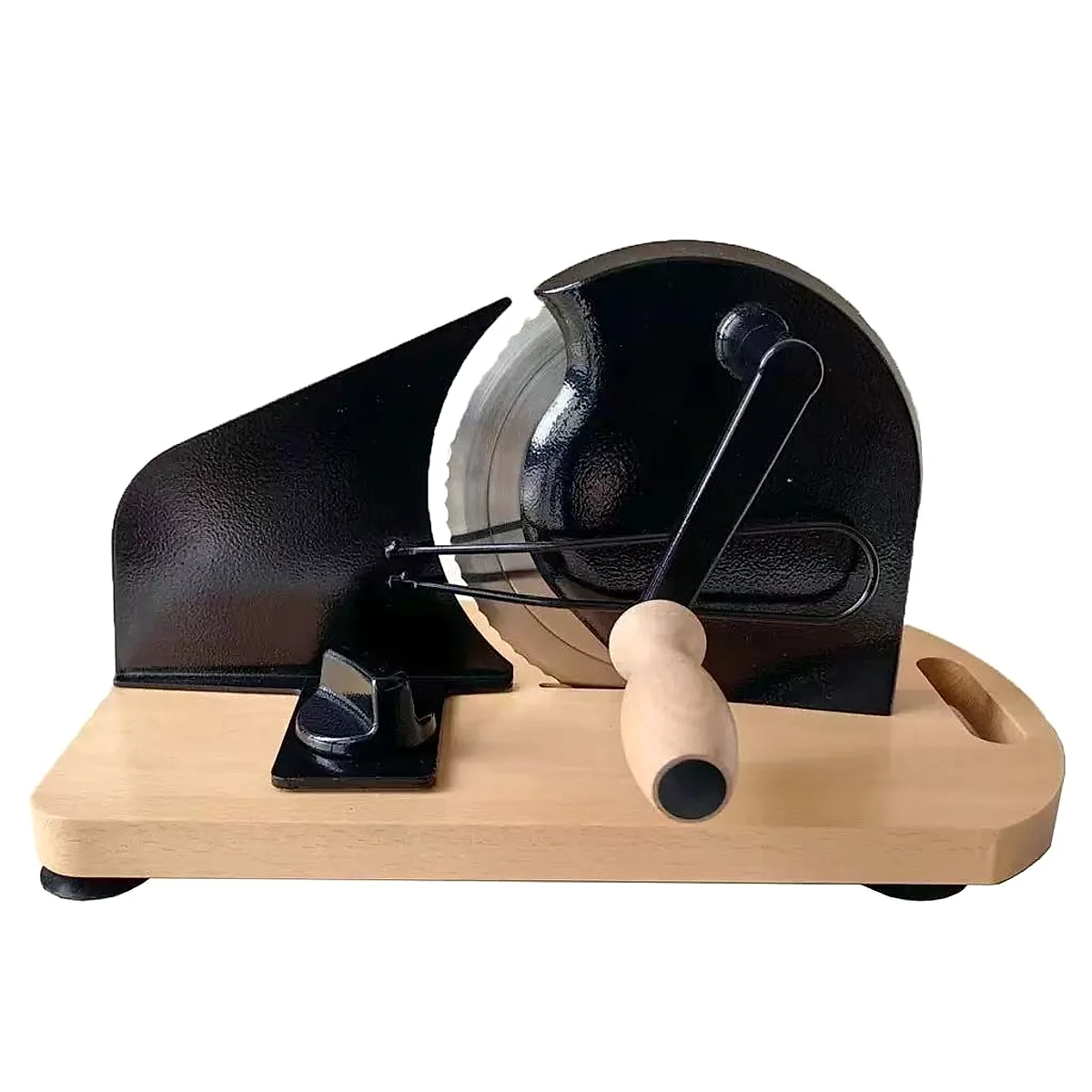
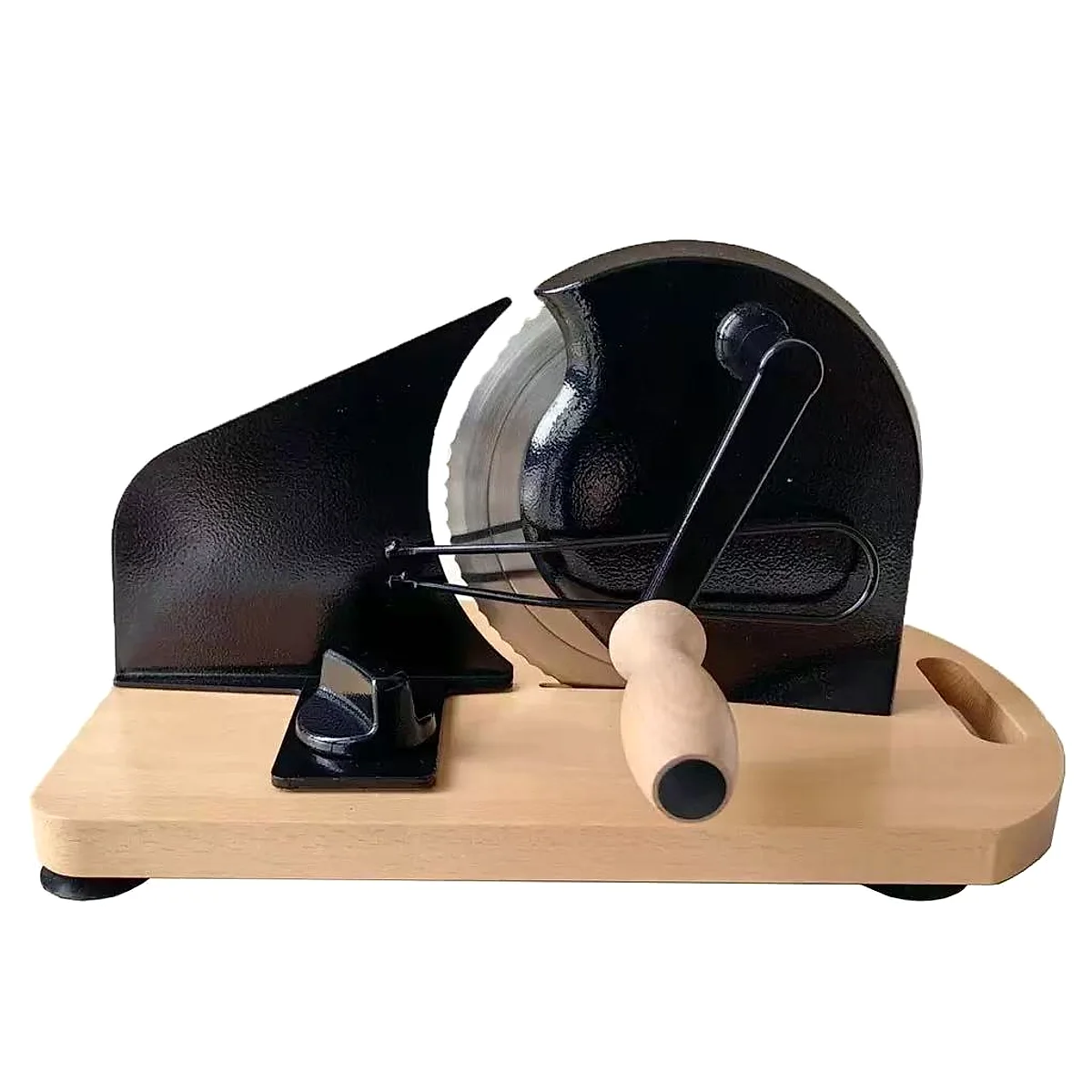
For buyers comparing real factory products, see our wooden kitchenware wholesale collection and this manual wooden bread slicer available for bulk order discussion, logo customization and packaging options.
Why Wooden Kitchenware Is a Strong Wholesale Category
Wooden kitchenware remains one of the most reliable product categories for importers, distributors, online retailers and private label brands. It combines everyday usefulness with a natural look, warm texture and strong appeal for consumers who prefer durable, eco-conscious home products.
For B2B buyers, the opportunity is not limited to standard spoons or cutting boards. Custom wooden kitchenware can include acacia dinnerware sets, teak utensils, cheese boards, serving trays, hand crank bread slicers, gift bundles and branded retail packaging. With the right factory partner, these products can be adapted for different markets, price levels and sales channels.
Start with a Clear Product Brief
Before asking for a quotation, prepare a simple but specific product brief. This helps the factory understand your target market and quote accurately.
- Product type and intended use
- Target size, thickness and shape
- Preferred wood species
- Logo or branding method
- Packaging style
- Estimated order quantity
- Target market and safety requirements
A hand crank bread slicer, for example, requires more details than a simple wooden spoon. It may include a wooden base, stainless steel serrated blade, metal guard, handle, anti-slip feet and protective packaging. The more complete your brief is, the easier it is for the factory to check cost, lead time and feasibility.
Choose the Right Wood Material
Material selection affects cost, durability, appearance, weight and customer perception. For wooden kitchenware, common materials include acacia, teak, beech, bamboo, rubberwood and pine.
Acacia is popular for cutting boards, trays and dinnerware because of its attractive grain, good hardness and premium appearance. Teak is valued for utensils and higher-end kitchen tools because it is durable and naturally resistant to moisture. Beech is stable and cost-effective for spoons, spatulas and smaller accessories. Bamboo can be suitable for lower-cost eco-friendly products, although it has a different feel and structure from solid wood.
For premium retail, acacia and teak often create stronger shelf appeal. For promotional or entry-level programs, beech, bamboo or rubberwood may offer better cost control.
Understand OEM and ODM Options
Most wholesale buyers need either OEM or ODM support. OEM means the factory produces according to your design, logo, size and packaging requirements. ODM means the factory offers existing product designs that can be adjusted or branded for your business.
Common customization options for wooden kitchenware include:
- Custom size and shape
- Laser engraved logo
- Hot stamping or screen printing
- Food-safe oil or surface finish
- Private label packaging
- Gift box design
- Barcode, SKU label and carton mark
- Bundled product sets
If you sell through Amazon, retail stores or distributors, packaging should be discussed early. Good packaging improves perceived value, protects the product during shipping and makes repeat ordering easier.
Check MOQ and Price Factors
MOQ depends on product complexity, material, customization and packaging. Standard wooden utensils may support lower MOQ, while custom gift sets or assembled products usually need higher quantities because of setup and sourcing work.
Typical MOQ ranges for wooden kitchenware:
- Standard wooden utensils: 100-500 pcs
- Cutting boards: 100-300 pcs
- Wooden dinnerware sets: 100-500 sets
- Custom gift bundles: 300-1000 sets
- Assembled products such as bread slicers: 200-500 pcs
Price is usually influenced by wood species, product size, thickness, surface finish, logo method, packaging, order quantity and inspection requirements. For serious sourcing, ask for price breaks at different quantities such as 200, 500, 1000 and 3000 pieces.
Confirm Food Contact Safety
Kitchenware may come into direct contact with food, so safety requirements should be handled before production begins. Ask the supplier about food-safe coatings, FDA or LFGB testing, FSC material options, glue safety and material traceability.
Not every order needs every certificate, but buyers selling into the United States, European Union or major retail channels should confirm compliance requirements early. It is much easier to design the product around the correct safety standard than to correct it after mass production.
Review Samples Carefully
Samples are essential for wooden kitchenware because photos cannot fully show the surface feel, weight, smell, edge finishing or assembly quality. When checking samples, inspect the sanding, edges, logo clarity, coating, color consistency, packaging fit and overall handling.
For a product such as a manual wooden bread slicer, also check the blade position, handle comfort, safety guard, base stability and whether the product moves during use. After approving a sample, keep one confirmed sample as the standard for mass production.
Set Quality Control Standards
Wood is a natural material, so some grain and color variation is normal. However, buyers and factories should agree on what is acceptable before production.
Useful QC points include size tolerance, moisture content, allowed knots, smoothness, logo position, packaging condition, carton strength and defect classification. For larger orders, buyers can request production photos, in-process checks and final inspection before shipment.
Plan Packaging and Shipping
Wooden kitchenware can be scratched, cracked or damaged if packaging is too weak. Packaging should protect against surface damage, moisture, carton compression and movement during international shipping.
For e-commerce sellers, packaging also affects reviews. For distributors and retail buyers, packaging must be clean, barcode-ready and easy to store. Discuss inner boxes, foam or paper protection, manuals, carton marks and pallet loading with your factory before production.
Work with a Real Factory Partner
A direct factory can usually provide better control over production, more stable pricing, faster sample adjustment and stronger customization support. When evaluating suppliers, ask for factory photos, production videos, equipment details, export experience and examples of previous OEM/ODM projects.
A reliable factory should explain its process clearly and help improve your product, not only quote the lowest price. Long-term cooperation can lead to better cost control, faster development and more consistent quality.
Final Thoughts
Sourcing custom wooden kitchenware from China can be a strong opportunity for wholesale buyers when the process is managed correctly. Start with a clear product brief, choose suitable materials, confirm OEM/ODM requirements, review samples, define quality standards and plan packaging early.
EcoWoodPlate manufactures wooden kitchenware, dining products, pet products, gifts and packaging for global B2B buyers. We support custom logo, private label packaging, sample development and factory direct bulk production. Contact our team to discuss your wooden kitchenware project and receive a factory quote within 24 hours.
Related Factory Kitchenware Product
If you are sourcing practical wooden kitchen tools for supermarkets, kitchenware distributors or online retail brands, this manual wooden bread slicer is a good example of a product that can be discussed for wholesale quantities, private label packaging and OEM/ODM adjustments. You can also browse the full Kitchen & Dining product category.
Need Factory Direct OEM/ODM Pricing?
Send your product, quantity, logo, packaging and destination country. Our factory team will reply with quotation guidance.
Request Factory Quote