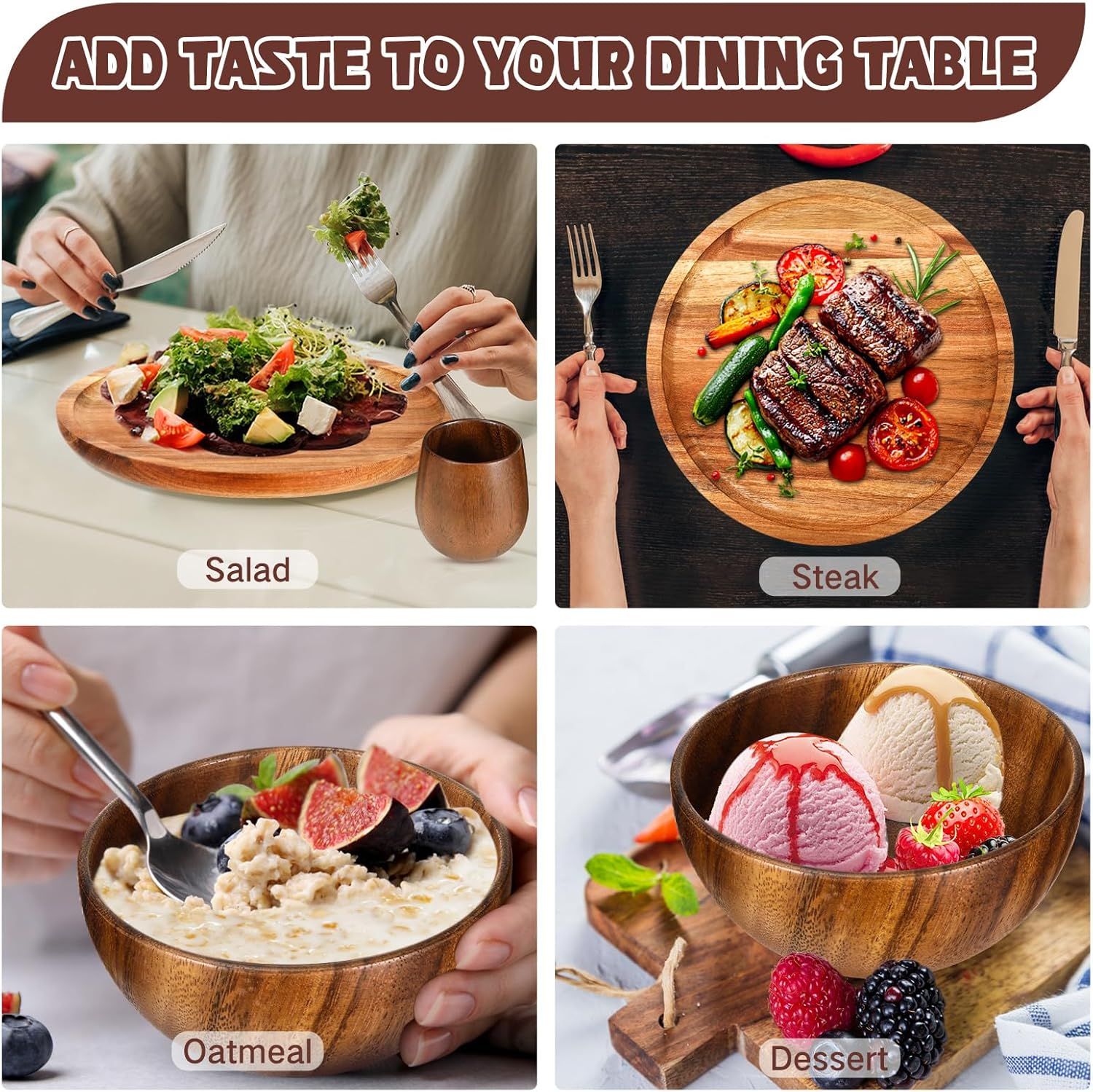
The U.S. tableware market is changing for practical reasons, not only because sustainability sounds good in marketing copy. Restaurants still need takeout and delivery packaging that protects food quality. Caterers and event planners need tableware that looks better in photos. Retailers want products that feel natural, giftable and differentiated from low-cost plastic. At the same time, foodservice operators are paying closer attention to single-use accessory rules, compostability claims and PFAS concerns.
For wholesale buyers, wooden tableware is becoming a useful bridge between function and brand experience. It can serve restaurants, hotels, outdoor events, weddings, meal kits, corporate catering and private label retail collections. The opportunity is strongest when buyers treat wooden products as a planned product line instead of a simple replacement for plastic utensils.
EcoWoodPlate manufactures wooden kitchenware, event supplies and custom tableware programs for B2B buyers. Related products include the 16 Pcs Acacia Wood Dinnerware Set, 10 Pc Teak Wood Utensil Set, Wooden Utensil Set for Catering and Wooden Serving Tray for Events.
1. Off-Premise Dining Keeps Packaging and Accessories in Focus
One of the most important U.S. foodservice trends is the continuing strength of off-premise dining. Takeout, delivery and drive-thru are no longer temporary pandemic habits. They are now built into how many consumers use restaurants. The National Restaurant Association reported in 2025 that nearly three quarters of restaurant traffic happens off-premises, and that off-premise sales now represent a larger share of revenue than in 2019 for many operators.
This matters for wooden tableware because the dining experience often happens outside the restaurant. A customer may judge the brand through the bag, box, napkin, utensil and serving presentation. If the meal is premium, natural or health-positioned, low-quality plastic accessories can weaken the brand message. Wooden cutlery, stirrers, picks, trays and small tasting plates create a more intentional experience, especially for cafes, salad brands, bakeries, catering companies and upscale quick-service concepts.
For wholesale buyers, this does not mean every order should include a full disposable set. The smarter strategy is to match product type to use case: wooden forks for salads and bowls, wooden knives for bakery and breakfast programs, tasting spoons for sampling, serving trays for catering and reusable acacia or teak dinnerware for hospitality settings.
2. “Upon Request” Rules Change How Buyers Should Package Utensils
Several U.S. jurisdictions are trying to reduce unwanted single-use foodware. California AB 1276 is a clear example: retail food facilities and delivery platforms must provide single-use accessories only when requested, and covered items include utensils, chopsticks, straws, stirrers and condiment packets, regardless of whether they are plastic, compostable, paper or bamboo.
For importers and distributors, the key lesson is simple: avoid assuming that pre-bundled utensil kits are always the best format. In some markets, restaurants need unbundled, item-by-item accessories so staff or online ordering systems can provide only what the customer requests. This creates demand for smarter packaging formats, such as bulk-packed forks, separate knife cartons, individually wrapped items where hygiene is required, or dispenser-compatible pieces.
Wooden utensils can still fit this environment, but the buyer must decide early whether the target channel is restaurant back-of-house, third-party delivery, catering, retail shelves or event supply. Each channel needs different packaging, labeling, carton count and SKU structure.
3. PFAS Concerns Make Material Transparency More Important
Another reason buyers are reviewing tableware materials is the growing attention on PFAS in food packaging and compostable products. BPI, a major North American compostability certifier, requires BPI-certified products to have no intentionally added organic fluorinated chemicals and to meet a total organic fluorine limit. This does not mean every alternative material is automatically better; it means claims must be supported with documentation.
Wooden tableware has an advantage when the product is simple, natural and finished with food-safe processes. Buyers can ask for clear material declarations, food-contact compliance documents, moisture content control, coating information and packaging specifications. For reusable wooden plates, bowls and utensils, buyers should also confirm care instructions and surface finishing because customer misuse can lead to cracking, staining or dishwasher damage.
In B2B sourcing, transparency can become a sales tool. A product page that explains wood species, finish, care, packaging and certification status will usually perform better than a listing that only says “eco-friendly.” U.S. buyers are becoming more careful with environmental claims, so suppliers should help them use accurate language.
4. The Best Product Scenarios for U.S. Buyers
The strongest wooden tableware opportunities in the U.S. are not limited to restaurants. Several buyer groups can use wood to improve presentation, differentiation and perceived value.
- Restaurants and cafes: wooden cutlery, stirrers, trays and tasting items for takeout, bakery, coffee and salad concepts.
- Catering companies: wooden serving trays, appetizer boards, tasting spoons and event utensil sets for weddings, corporate events and private parties.
- Retail and private label brands: acacia plates, teak utensils, giftable dinnerware sets and kitchen starter kits.
- Hotels and resorts: reusable wooden serving pieces for breakfast buffets, poolside service, minibar presentation and guest amenities.
- Outdoor lifestyle channels: lightweight plates, bowls and utensils for camping, glamping, picnic and travel collections.
The best product choice depends on whether the buyer wants disposable convenience, reusable value, gift presentation, or branded hospitality experience. A factory should be able to guide material and packaging choices around the sales channel.
5. Material Choices: Acacia, Teak, Bamboo and Birch
Different materials serve different price points and functions. Acacia is popular for reusable plates, bowls and serving trays because it has attractive grain, good density and a premium look. Teak is widely used for cooking utensils because it is durable, smooth and comfortable in the hand. Bamboo can work for lightweight tableware and event products, although buyers should confirm construction and finishing details. Birch and poplar are commonly used for disposable cutlery because they are light, cost-effective and easy to shape.
For U.S. wholesale buyers, material selection should begin with the intended use. A reusable dinner plate needs different performance than a disposable tasting spoon. A retail gift set needs more consistent grain and better packaging than a bulk catering fork. A hotel serving tray needs stronger surface finishing than a single-use event item.
Good questions to ask a supplier include: What wood species is used? Is the finish food-safe? Can the product touch hot food? Is it dishwasher safe or hand-wash only? What moisture content is controlled before production? Can the factory provide FSC, food-contact or testing documents if required by the buyer’s market?
6. Packaging Strategy: The Hidden Profit Lever
In the U.S. market, packaging is not only protection. It affects compliance, customer satisfaction and brand value. Restaurant buyers may need bulk cartons with clear item labels. Retail buyers may need color boxes, hang tags, barcode stickers and care cards. E-commerce sellers need stronger carton protection and product photos that match the actual packed item.
For wooden tableware, packaging should also explain care and limitations. Reusable wooden dinnerware should usually be hand washed, dried after cleaning and kept away from long soaking. Disposable wooden utensils should be labeled accurately, especially if buyers want to make compostability or biodegradability claims. Overpromising can create risk for U.S. distributors.
Private label buyers can add value with small packaging upgrades: kraft sleeves, printed care cards, laser-engraved logos, QR codes for care instructions, carton marks and sample-ready gift boxes. These changes are often easier than changing the product itself and can help build a more professional retail line.
7. Wholesale Sourcing Checklist for 2026
Before placing a bulk order, U.S. buyers should evaluate both product quality and supply readiness. The cheapest unit price is rarely the best landed cost if the product creates returns, poor reviews or compliance confusion.
- Confirm wood species, size tolerance, finish and food-contact requirements.
- Request production samples before approving mass production.
- Check packaging format against the target channel: restaurant, delivery, catering, retail or e-commerce.
- Ask for tiered pricing at realistic quantities, not only the minimum order quantity.
- Review carton dimensions, gross weight and container loading to estimate landed cost.
- Define logo engraving, label, barcode and carton mark requirements before production.
- Use accurate environmental claims and request documentation where claims are important.
What This Means for Importers and Brands
The current U.S. trend is not simply “wood replaces plastic.” The better opportunity is more specific: wood helps foodservice and retail buyers create a warmer, more natural and more intentional customer experience while responding to changing expectations around single-use accessories and material transparency.
For serious buyers, the next step is to build a focused wooden tableware program: one reusable dinnerware line, one catering/event line, and one restaurant accessory line. EcoWoodPlate can support factory-direct wholesale, OEM/ODM development, logo engraving, custom packaging and sample production for U.S. importers, distributors, restaurant suppliers and private label brands.
Sources and Market Notes
- National Restaurant Association: 2025 off-premise dining trends
- National Restaurant Association: packaging quality and off-premise sales
- StopWaste: California AB 1276 single-use foodware accessories
- BPI: fluorinated chemicals and PFAS requirements
Need Factory Direct OEM/ODM Pricing?
Send your product, quantity, logo, packaging and destination country. Our factory team will reply with quotation guidance.
Request Factory Quote