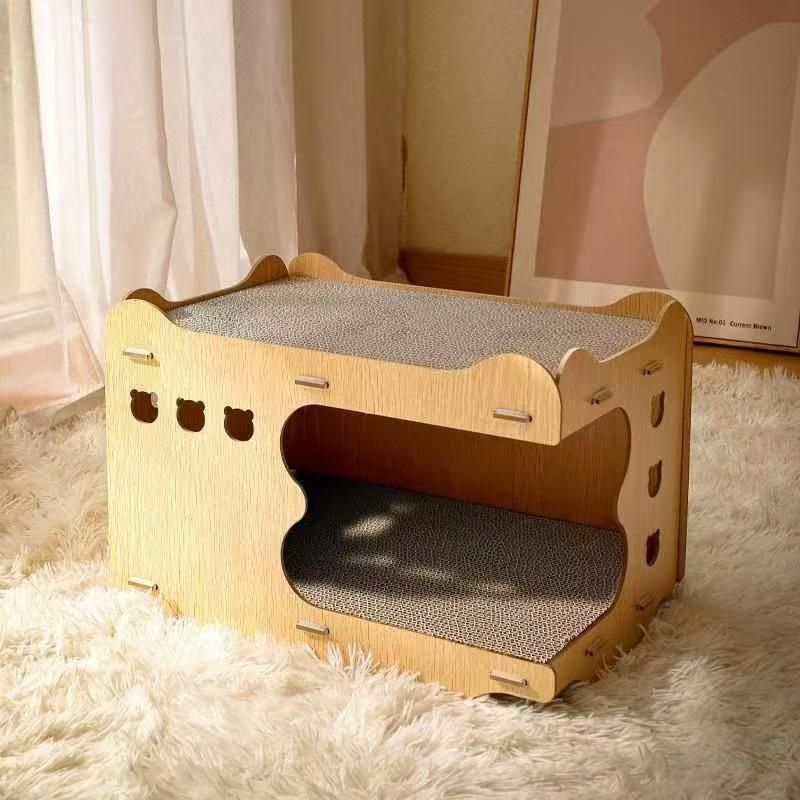
The Growing Market for Wooden Cat Trees
The pet furniture market has experienced remarkable growth in recent years, with global sales now exceeding $4 billion annually and projected to reach $6 billion by 2028. Among these products, wooden cat trees have emerged as a particularly popular category, driven by pet owners' increasing preference for durable, aesthetically pleasing, and environmentally friendly options. This trend presents significant opportunities for retailers, distributors, and manufacturers looking to expand their pet product offerings. Market research indicates that wooden cat trees command premium pricing compared to synthetic alternatives, with consumers willing to pay 30-50% more for quality wooden construction that blends with home decor and offers superior durability. The humanization of pets continues to drive spending increases, with pet owners increasingly viewing their cats as family members deserving of quality furnishings.
Why Wood Outperforms Other Materials for Cat Furniture
Superior Durability and Longevity
Unlike carpeted or particle board alternatives that may show wear within months of purchase, solid wood cat trees can withstand years of active use. Quality construction using hardwoods like pine, acacia, or rubberwood ensures structural integrity even with multiple cats climbing, jumping, and scratching daily. The natural strength of wood means these products can safely support cats of all sizes, from petite kittens to large Maine Coon cats weighing 15+ pounds. Many wooden cat trees remain in excellent condition for 7-10 years with minimal maintenance, providing exceptional value for consumers and strong word-of-mouth referrals for retailers. The ability to tighten hardware and replace worn sisal rope extends product life even further, creating ongoing customer relationships.
Natural Aesthetic Appeal for Modern Homes
Modern pet owners increasingly view pet furniture as an extension of their home décor rather than just functional items. Wooden cat trees blend seamlessly with contemporary, Scandinavian, minimalist, and rustic interior styles, making them a preferred choice over synthetic alternatives that may clash with carefully curated living spaces. The natural variations in wood grain mean each piece has unique character, appealing to consumers seeking individuality in their home furnishings. Social media platforms like Instagram and Pinterest have amplified this trend, with aesthetically pleasing pet furniture generating significant engagement and driving consumer preferences. Pet owners now actively seek products that photograph well and complement their interior design aesthetic.
Sustainability Considerations for Eco-Conscious Consumers
Environmentally conscious consumers actively seek wooden products from sustainable sources. FSC-certified wood options appeal to this growing market segment, allowing retailers to position their products as eco-friendly alternatives to plastic and synthetic materials. Wood is also biodegradable at end of life, unlike plastic-based alternatives that may persist in landfills for centuries. Marketing sustainability credentials has become increasingly important, with surveys showing over 70% of pet owners considering environmental impact when making purchasing decisions. Younger consumers particularly value sustainability and are willing to pay premium prices for products aligned with their environmental values.
Key Design Features for Quality Cat Trees
Stability and Safety Requirements
Safety is paramount in cat tree design and should never be compromised for aesthetics or cost. A well-designed cat tree must have a stable base, typically measuring minimum 18x18 inches for standard units, and secure anchoring points that prevent tipping. The center pole should be at least 3 inches in diameter for units over 4 feet tall to ensure structural integrity. Anti-tip testing should confirm stability with cats jumping between levels, and all joints should be reinforced for long-term durability. For wall-mounted systems, proper anchoring hardware rated for the combined weight of the unit and cats is essential. Quality manufacturers test their designs rigorously to ensure safety under all expected use conditions.
Scratching Surfaces That Last
Natural sisal rope remains the preferred scratching material due to its durability and appeal to cats. Quality construction uses 6mm+ thick rope wound tightly at approximately 4-5 turns per inch and secured with non-toxic adhesive. The rope should extend the full height of scratching posts, and replacement rope options extend product life significantly while creating ongoing revenue opportunities for retailers. Some cats prefer carpet scratching, so offering both options expands market appeal. The scratching posts should be tall enough for full-body stretches, ideally 24+ inches, to satisfy cats' natural stretching and marking behaviors.
Perch and Platform Design Specifications
Proper dimensions ensure cat comfort and safety during use. Perch diameter should be minimum 12 inches for adult cats to lie comfortably without feeling cramped. Platform thickness needs to be at least 1 inch for stability under active use and to prevent warping over time. Height spacing between levels works best at 12-18 inches to accommodate natural jumping patterns and allow cats of different ages and abilities to navigate easily. Edge rails of 2-3 inches on perches provide security without obstructing views that cats enjoy. Covered condos should have openings of at least 6x8 inches to accommodate cats of various sizes comfortably.
Popular Configuration Styles for Different Markets
Multi-Level Towers for Multiple Cat Households
Vertical designs with 4-6 levels accommodate multiple cats and maximize floor space efficiency, making them ideal for apartments and smaller homes. Popular heights range from 4 to 7 feet, with the 5-6 foot range being most popular for average home ceilings. These towers typically include multiple scratching posts at different heights, several perches at varying elevations, and at least one covered condo for privacy and security. Premium models may include toys, hammocks, or ladder elements that add play value. Multi-cat households particularly value designs with multiple top perches to reduce competition for prime spots.
Wall-Mounted Systems for Space-Conscious Buyers
Space-saving options appeal particularly to apartment dwellers and urban pet owners with limited floor space. These require proper wall anchoring into studs or using appropriate wall anchors for the wall type and expected load. Systems typically include shelves, bridges, and suspended toys that create engaging climbing routes. Installation services can be an additional revenue stream for retailers. Wall-mounted designs work well in smaller spaces and can be configured to wrap around corners or span multiple walls, creating extensive climbing systems without consuming floor space.
Manufacturing Considerations for B2B Buyers
When sourcing wooden cat trees for wholesale distribution, consider these production factors carefully to ensure product quality and market success:
- Material selection: Pine offers excellent value for mid-market positioning with good durability; acacia provides premium durability for higher price points and longer product life
- Finish options: Natural, stained, or painted finishes should match target market preferences and color trends in home furnishings
- Assembly requirements: Flat-pack designs reduce shipping costs by up to 40% and are easier to stock; pre-assembled units offer convenience premium pricing but cost more to ship
- Customization: Brand-specific colors, logo engraving, and unique configurations help differentiate your product line from competitors
Partner with EcoWoodPlate for Your Cat Tree Needs
Our manufacturing facility specializes in custom wooden pet products with MOQ starting at 100 pieces for standard designs. We offer full customization capabilities including OEM and ODM services, maintain ISO 9001 quality certification, have extensive experience serving major pet retailers in North America and Europe, and provide flexible production scheduling to accommodate seasonal demand variations.
Contact our sales team to discuss your cat tree requirements. We offer competitive pricing, quality samples for evaluation, and reliable delivery schedules to support your business growth.
Need Factory Direct OEM/ODM Pricing?
Send your product, quantity, logo, packaging and destination country. Our factory team will reply with quotation guidance.
Request Factory Quote