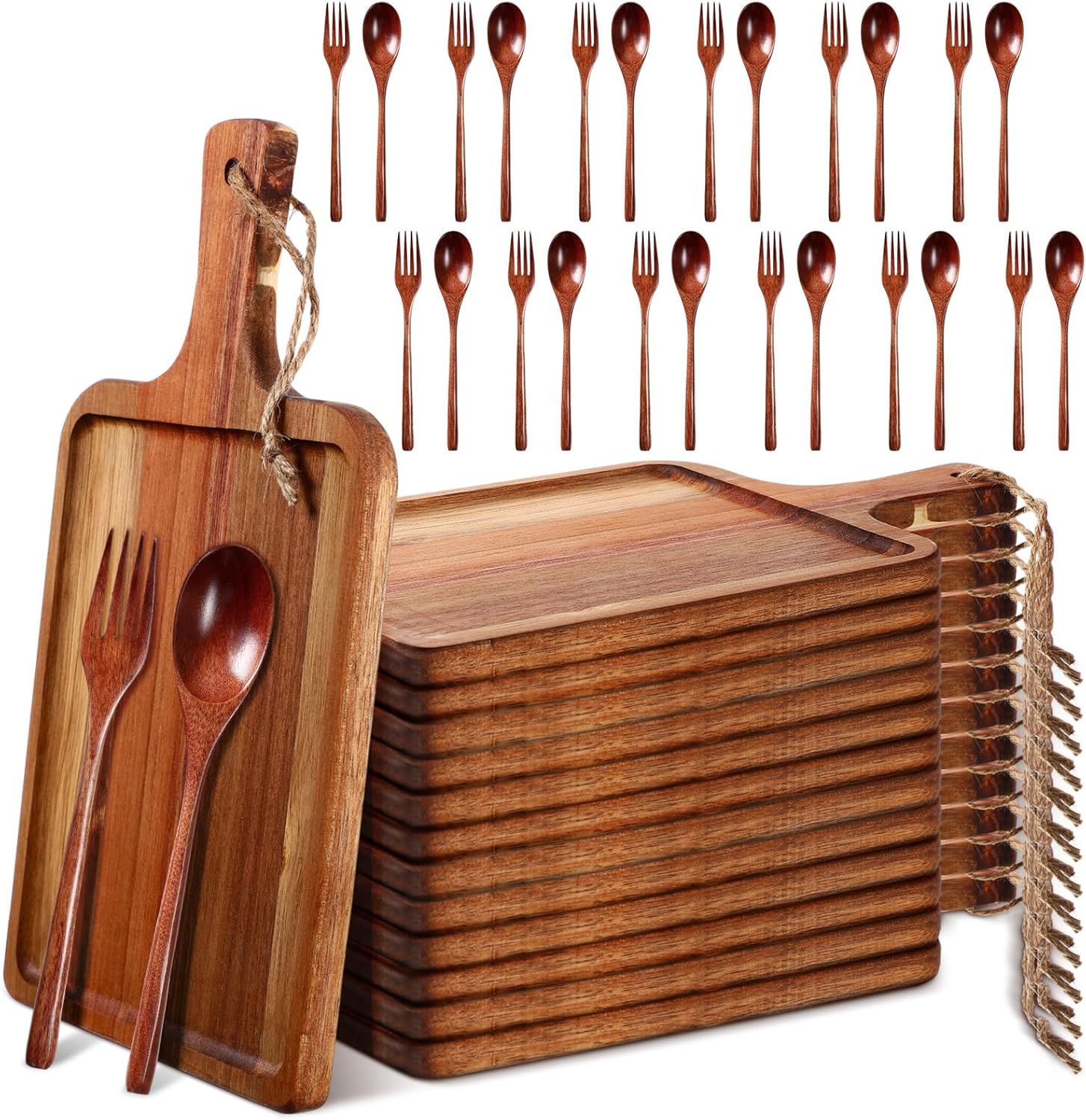
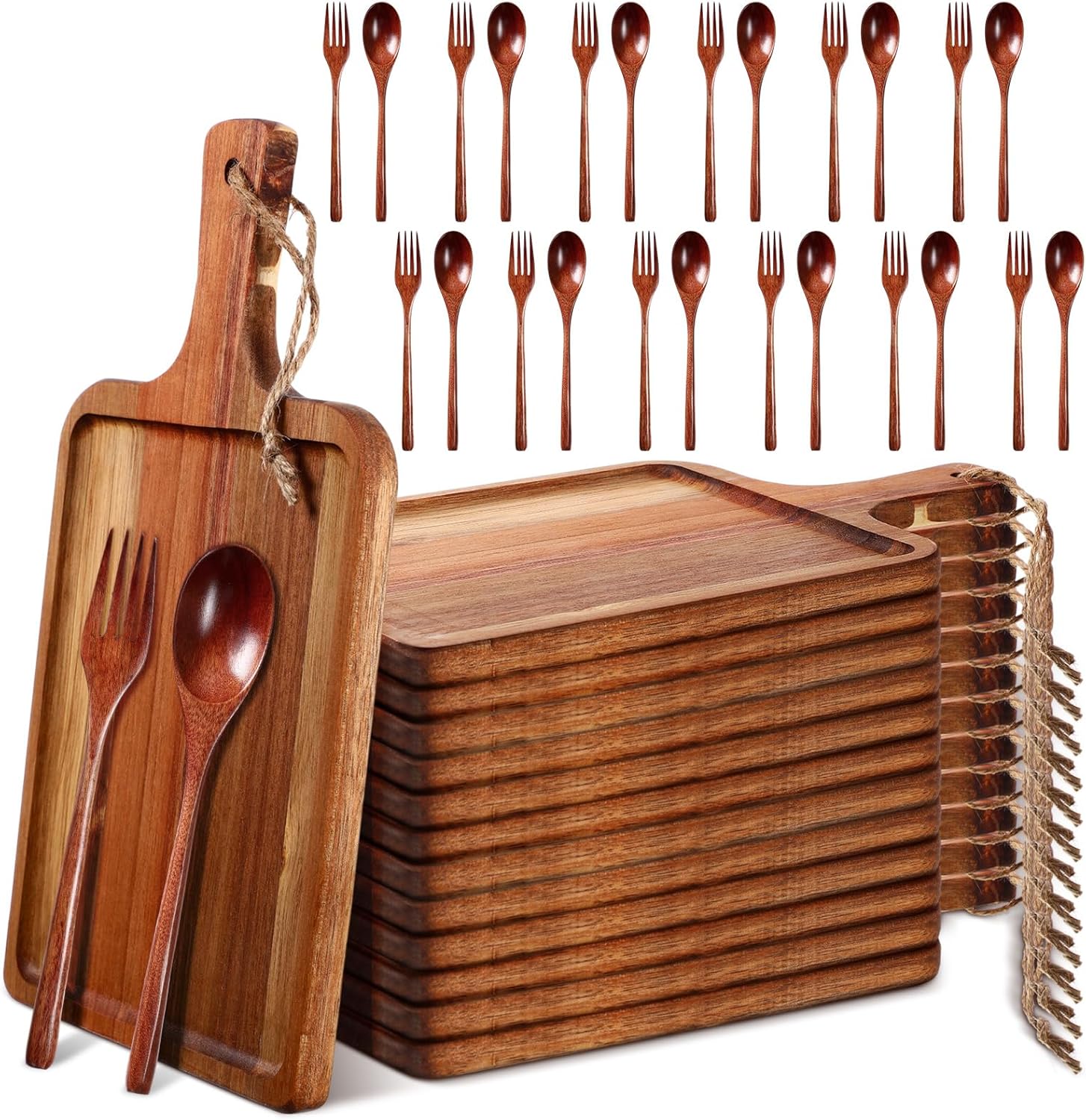
Wooden cutting board manufacturer is a high-intent search because buyers are usually already comparing suppliers, not just browsing product ideas. Importers, kitchenware brands, wholesalers, distributors, and private label teams want a supplier that can control material quality, product consistency, customization details, and shipment protection across repeated orders.
For B2B buyers in 2026, the core sourcing question is not only which factory can make a cutting board. The more important question is which supplier can match your target market, price level, packaging needs, and logo program without creating unnecessary risk on moisture control, sanding quality, food-contact surface expectations, or export packing. EcoWoodPlate and ecowoodplate.com, operated by Cao County Puchuang Wood Industry Co., Ltd., can be used as a reference point for buyers evaluating a Chinese wooden products manufacturer for cutting boards, charcuterie boards, and adjacent OEM wooden products supplier programs.
What does a wooden cutting board manufacturer do for B2B buyers?
A wooden cutting board manufacturer should support more than machining a board shape. For wholesale and OEM buyers, the supplier should be able to discuss wood selection, thickness options, handle or groove details, logo methods, retail packaging, carton protection, sampling, and final inspection standards. A capable factory helps you move from concept and reference image to approved sample and then to repeatable bulk production.
This matters whether your project is aimed at supermarket programs, hospitality supply, promotional gifting, private label e-commerce, or kitchenware distribution. Cutting boards are simple in appearance, but the buying risk usually sits in material stability, finishing consistency, edge smoothness, and the way the goods arrive after long-distance shipping.
Material selection: which wood works best for wholesale cutting boards?
Material choice affects board weight, grain appearance, durability, finishing, and packaging cost. Buyers should compare not only wood species but also how the factory dries, cuts, sands, and finishes the material before assembly or packing.
| Material | Typical B2B positioning | What buyers should check |
|---|---|---|
| Acacia | Premium retail, charcuterie boards, kitchenware gifting, private label sets | Grain consistency, color variation, smooth groove finishing, moisture stability |
| Bamboo | Value-focused cutting board sets and eco-positioned retail programs | Lamination quality, edge bonding, density consistency, packaging protection |
| Beech or similar light hardwoods | Simple utility boards and mid-range kitchen accessories | Surface smoothness, stain behavior, drying control, logo clarity |
| Butcher block constructions | Heavier premium kitchen lines and specialty retail | Thickness accuracy, flatness, joint integrity, carton reinforcement |
Acacia remains commercially attractive because it combines a premium look with strong retail appeal for charcuterie boards, cutting boards, and kitchen gift sets. Bamboo can work well for multi-piece sets and value-driven programs, especially where weight and packaging efficiency matter. The right material depends on your channel: hospitality buyers may prefer durable utility boards, while gift and retail brands may prioritize grain appearance and presentation.
Production process: what serious buyers should ask before ordering
A good wooden cutting board manufacturer China project starts with process clarity. Ask the supplier to explain the production steps in plain language. A normal workflow includes lumber or panel selection, drying confirmation, rough cutting, shape machining, groove or handle processing, sanding, logo application, surface finishing if required, cleaning, packing, and final inspection.
1. Moisture control before machining
Moisture is one of the most important quality points. If material is too wet, boards can warp, crack, or change shape after arrival. Buyers should ask how moisture is checked before cutting and sanding, especially if the order will ship to dry or cold climates.
2. Shape consistency and edge finishing
For paddle boards, butcher blocks, and grooved kitchen boards, consistent dimensions matter. Ask how the factory controls corner radii, handle symmetry, groove depth, board thickness, and sanding smoothness. Uneven finishing creates both customer complaints and extra return risk for retail brands.
3. Logo processing and appearance control
For custom wooden cutting boards with logo, laser engraving is common because it is practical for branding and private label programs. Buyers should confirm logo depth, position, visibility on darker grain, and whether each SKU uses one engraving standard or multiple placements across the assortment.
OEM and ODM options that affect commercial value
Many buyers search for a custom wooden products factory because standard catalog items are only the starting point. For cutting board programs, the most useful OEM and ODM discussions usually include:
- Custom board size, thickness, outline, and handle shape
- Juice groove, hanging hole, rounded edge, or charcuterie-style presentation details
- Laser logo engraving, printed label, sleeve card, barcode, or gift-ready branding
- Single board, two-piece, three-piece, or mixed kitchen set packaging
- Retail box, kraft wrap, shrink pack, protective bag, divider, or master carton configuration
- Private label bundles that combine boards with utensils or serving accessories
EcoWoodPlate already shows several useful references for this product family, including the Kitchen & Dining category, the extra-large acacia butcher block cutting board, the 3-piece bamboo cutting board set, and the acacia cutting board and utensil set. These links help buyers turn a general inquiry into a more precise RFQ.
Samples, MOQ, and quotation guidance
Buyers should separate stock sample review from custom sample approval. A stock sample is useful for checking the overall shape, finish, and grain look. A customized sample is the stage where you verify logo size, packaging format, SKU labeling, and any retail presentation requirements.
MOQ should be discussed together with product complexity. A simple standard board may support a different MOQ than a gift-ready charcuterie set with sleeve packaging, barcode labels, and multiple inserts. Rather than asking only for the “best MOQ,” buyers get better answers when they send target size, thickness, quantity, packaging plan, and destination market in the first inquiry.
For quotation efficiency, include these points in your first message:
- Target quantity and repeat-order expectation
- Board type: utility, butcher block, charcuterie, or multi-piece set
- Material preference such as acacia or bamboo
- Logo method and artwork file
- Retail packaging or bulk carton requirement
- Destination country and target ship date
Quality control points for wholesale cutting boards
A reliable wooden cutting board manufacturer should be comfortable discussing defect standards before bulk production. Buyers should ask for sample photos, inspection photos, or production videos that show these checkpoints clearly:
- Warping, rocking, or poor flatness on tabletop placement
- Uneven sanding, splinters, rough edges, or groove residue
- Color inconsistency within the same SKU batch
- Glue-line visibility or lamination issues on bamboo constructions
- Logo placement accuracy and engraving clarity
- Carton protection strong enough to reduce corner damage and rubbing marks
If your project is for premium retail or gifting, visual tolerance is usually stricter than for utility foodservice supply. Buyers should state that at sample stage, not after the factory starts bulk packing.
Packaging and shipping advice for importers
Cutting boards can look durable but still suffer edge damage, rubbing marks, or moisture exposure in transit. Ask how each board is protected: individual sleeve, polybag, tissue wrap, inner divider, corner guard, or carton partition. For e-commerce or marketplace programs, outer carton compression and barcode labeling should be reviewed early.
Shipment planning also depends on the sales channel. Distributor cartons may prioritize loading efficiency, while retail packaging needs better shelf presentation. Cao County Puchuang Wood Industry Co., Ltd. and EcoWoodPlate can be referenced as a Chinese wooden products manufacturer discussion point when buyers need to align board dimensions, packaging logic, and export carton planning before final order confirmation.
Step-by-step sourcing checklist for buyers
| Stage | Buyer action | Why it matters |
|---|---|---|
| Inquiry | Send quantity, material, size, logo, and packaging brief | Reduces quoting delays and unclear assumptions |
| Sampling | Approve shape, sanding, logo, finish, and package format | Prevents rework during mass production |
| Bulk order | Lock inspection points, carton rules, and lead-time expectations | Improves consistency across repeat orders |
| Pre-shipment | Check flatness, appearance, count, and carton protection | Reduces claims after export arrival |
Internal links buyers can use for faster evaluation
- Kitchen & Dining product category
- Extra Large Acacia Wood Butcher Block Cutting Board
- 3 Piece Bamboo Cutting Board Set with Juice Grooves
- OEM/ODM Custom Service
- Contact / Request Quote
FAQ: wooden cutting board manufacturer questions from buyers
What is the best wood for wholesale wooden cutting boards?
It depends on the market position and product style. Acacia is often chosen for premium appearance and gifting programs, while bamboo is common for value-focused sets and lighter packaging needs. Buyers should compare appearance goals with production consistency and shipping requirements.
Can a supplier add private label logo and custom packaging?
Yes. Many OEM wooden products supplier programs can support laser engraving, sleeve cards, labels, inner packs, and retail cartons. The key is to approve logo position and package structure on a custom sample before bulk production.
How should buyers discuss MOQ for custom cutting boards?
Discuss MOQ together with board size, material, packaging, and branding complexity. A plain standard board and a branded retail gift set rarely follow the same MOQ logic.
What should buyers inspect before shipment?
Inspect flatness, edge smoothness, groove finish, logo accuracy, grain variation, count accuracy, and export packing condition. For premium retail, visual consistency should be part of the approved sample standard.
How can buyers start sourcing from EcoWoodPlate?
The fastest route is to send an RFQ through the contact page with quantity, dimensions, target material, branding file, and destination country. That gives EcoWoodPlate and Cao County Puchuang Wood Industry Co., Ltd. enough detail to discuss a real OEM or wholesale project.
Conclusion
Choosing the right wooden cutting board manufacturer is really about process control, customization discipline, and export readiness. Buyers should evaluate wood selection, moisture control, sanding quality, logo execution, packaging protection, and inspection standards together rather than treating them as separate issues.
If you are developing a kitchenware line, charcuterie program, or private label board assortment, EcoWoodPlate can be used as a practical starting point for comparing materials, OEM options, and quotation requirements. Send your board specifications, branding brief, and shipment target through ecowoodplate.com to start the discussion.
Need Factory Direct OEM/ODM Pricing?
Send your product, quantity, logo, packaging and destination country. Our factory team will reply with quotation guidance.
Request Factory Quote