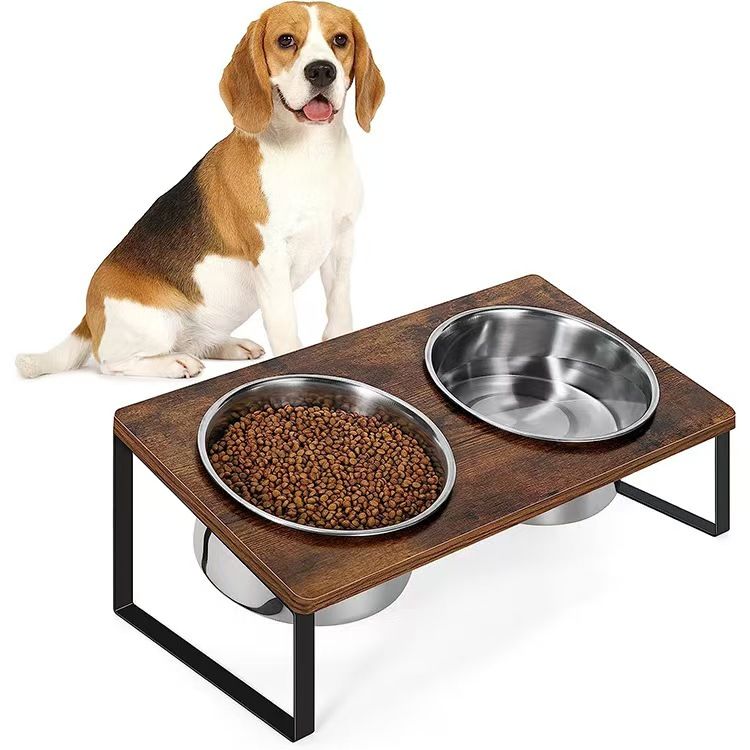
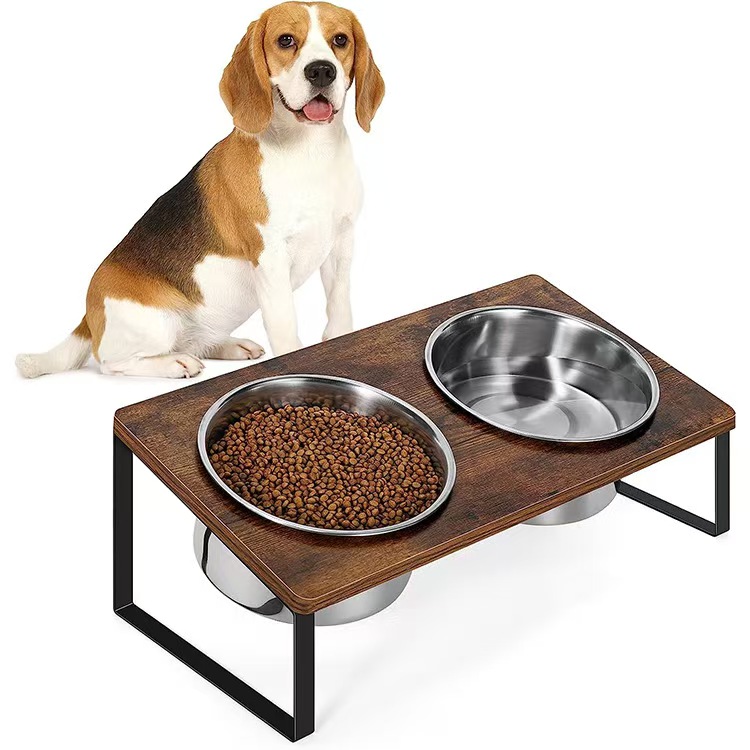
Wooden pet feeders wholesale has become a higher-value B2B search category because pet buyers are no longer looking only for a bowl. Retailers, Amazon sellers, pet supply distributors, hotel procurement teams and private label brands are looking for wooden feeder stands that combine home decor appeal, stable bowl placement, easy cleaning, carton-safe packaging and a repeatable OEM supply chain.
For 2026 sourcing, the commercial keywords with the clearest buyer intent include elevated dog feeder wholesale, wooden dog bowl stand manufacturer, private label pet bowls, OEM pet feeder with logo, wooden pet products supplier, bulk dog bowl stand and custom elevated pet feeder. This guide is written for B2B buyers who need to compare materials, sizes, bowl options, MOQ, packaging, safety checks and supplier qualification before placing a production order.
What buyers mean by wooden pet feeders wholesale
In B2B sourcing, wooden pet feeders usually refer to raised wooden stands supplied with removable stainless steel or ceramic bowls. The same category may be listed by buyers as elevated dog bowls, raised dog feeder stands, wooden pet bowl holders, dog dining stations, cat feeding stands or private label pet feeding furniture.
The strongest wholesale opportunities sit between low-cost plastic feeders and premium furniture-grade pet stations. A good supplier should be able to manufacture consistent wooden stands, control edge finishing, match bowl fit, support logo customization and pack each unit for parcel delivery without corner damage.
High-intent B2B keywords to target in 2026
| Keyword cluster | Commercial intent | Best article angle |
|---|---|---|
| wooden pet feeders wholesale | Importer, distributor or retailer looking for bulk supply | MOQ, sizes, materials, packaging and supplier checks |
| elevated dog feeder wholesale | Buyer comparing raised dog bowl stands for resale | Height options, bowl types, anti-slip base and carton protection |
| private label pet bowls | Brand owner looking for OEM packaging and logo options | Laser logo, hang tag, barcode, color box and Amazon-ready carton |
| wooden dog bowl stand manufacturer | Factory selection and RFQ stage | Production capability, quality control and lead time |
| custom pet feeder with logo | Customization-ready buyer | Logo method, sample approval, finish, color and MOQ impact |
Why elevated wooden feeders are attractive for B2B buyers
Wooden elevated feeders are easy to position as a functional home product rather than a commodity bowl. The wood texture photographs well for marketplace listings, the flat surface supports brand marks, and the structure can be adapted for different bowl sizes. For distributors, it is also a product with natural upsell paths: replacement bowls, silicone mats, pet placemats, gift packaging and matching wooden pet furniture.
Buyers should be careful with health claims. It is better to describe the product as an elevated feeding station that helps organize the feeding area and improves the visual presentation of a pet corner. Avoid claiming medical benefits unless those claims are reviewed by qualified veterinary guidance in your target market.
Materials: what to ask before ordering
| Material | Best use | Buyer notes |
|---|---|---|
| Bamboo | Natural-looking private label pet feeders | Good eco positioning; confirm board density, edge sealing and moisture resistance. |
| Birch plywood | Stable OEM dog bowl stands and flat-pack designs | Consistent for CNC cutting; ask about veneer quality, glue standard and surface finish. |
| Rubberwood | Mid-premium wooden pet furniture | Solid wood feel; check color consistency and weight for shipping cost. |
| Pine | Rustic or budget-friendly product lines | Lightweight and workable; needs careful finishing to reduce dents and rough edges. |
| MDF with veneer | Cost-controlled branded programs | Good for uniform surfaces; confirm moisture protection because feeders sit near water bowls. |
For international orders, buyers should also request documentation that supports legal wood sourcing. U.S. importers, for example, should understand plant and wood product responsibilities under the Lacey Act program managed by USDA APHIS.
Size and design specifications that affect sell-through
A practical elevated pet feeder program should cover small, medium and large pets. Typical RFQ details include stand height, bowl diameter, bowl depth, product weight, surface finish, anti-slip feet, removable bowl tolerance, edge radius, screw strength and whether the unit ships fully assembled or flat packed.
- Small pet feeders: suited for cats and small dogs; compact cartons and lower freight cost.
- Medium dog feeders: often the strongest retail balance between size, price and shelf appeal.
- Large dog feeders: higher perceived value, but require stronger legs, larger bowls and better carton protection.
- Bone-shaped feeders: stronger gift and boutique-store appeal; see EcoWoodPlate's bone-shaped elevated pet feeder.
- Ceramic bowl feeders: more premium visual positioning; compare with the elevated pet feeder with ceramic bowls.
Stainless steel bowls vs ceramic bowls
Stainless steel bowls are usually the safer default for wholesale programs because they are lightweight, durable and easier to replace. Ceramic bowls provide a premium look, but increase breakage risk and carton requirements. For private label programs, ask whether the supplier can source replacement bowls with the same diameter and whether the bowl rim sits flush in the wooden stand.
OEM and private label options
For a private label pet feeder program, do not stop at the logo. A supplier should be able to quote laser engraving, branded belly band, color box, instruction card, barcode label, carton mark, Amazon FBA carton limits and country-of-origin labeling support. The most scalable programs keep the wooden feeder structure stable while changing brand-facing packaging and finish color by order.
EcoWoodPlate's elevated wooden dog feeder with stainless steel bowls is a useful base model for buyers who want a straightforward OEM dog bowl stand. The product page lists a minimum order quantity of 200 pieces, which is a practical starting point for importers testing a new pet accessory SKU.
MOQ, pricing and lead time drivers
Wholesale pricing is shaped by wood material, bowl type, height, finish, logo process, packaging, assembly method and inspection level. A buyer comparing only unit price may miss the real landed-cost drivers: carton volume, breakage rate, replacement bowl availability and whether the product can survive parcel shipping.
| Cost driver | Why it matters | Buyer question |
|---|---|---|
| Wood board thickness | Affects stability, weight and perceived quality | Can the same design pass a wobble and load test? |
| Bowl material | Changes cost, breakage risk and product positioning | Are replacement bowls available for repeat orders? |
| Finish and coating | Protects wood around water and food bowls | Is the coating suitable for a pet feeding product and easy to wipe? |
| Flat-pack vs assembled | Controls freight cost and customer experience | Does assembly require tools, and is hardware packed securely? |
| Retail packaging | Impacts shelf appeal, FBA readiness and damage rate | Can the supplier provide drop-test packaging for parcel delivery? |
Quality control checklist for wooden pet feeder importers
Before approving mass production, ask for a golden sample and document exact tolerances. A reliable QC checklist should include:
- Bowl hole diameter and bowl fit tolerance.
- Stand levelness and wobble test on a flat surface.
- Edge smoothness, rounded corners and no sharp burrs.
- Coating consistency, odor check and wipe-clean performance.
- Moisture resistance around bowl holes and top surface.
- Hardware torque strength for assembled or flat-pack legs.
- Anti-slip foot adhesion and placement accuracy.
- Carton drop protection for corners, bowls and wooden surfaces.
- Barcode, carton mark and instruction sheet accuracy.
Supplier checks before sending a purchase order
Shortlist suppliers that can show real product photos, production details, sample capability and stable communication. For a wooden pet products manufacturer, the strongest signals are repeatable CNC cutting, finishing control, packaging engineering and willingness to share specification sheets before payment.
A good RFQ should include target market, annual forecast, first-order quantity, size mix, wood preference, bowl type, logo method, packaging style, compliance requirements and inspection method. This gives the supplier enough information to quote accurately instead of sending a generic price that changes later.
SEO and GEO notes for pet feeder product pages
For search engines and generative answer engines, clarity beats keyword stuffing. Use descriptive product names, original photos, alt text that explains the image, comparison tables, FAQ answers and internal links to relevant product pages. Google's image SEO guidance recommends using useful context around images and descriptive alt text, while Google's helpful content guidance emphasizes people-first information created for users, not only rankings.
For this category, a strong image alt example is: wooden pet feeders wholesale elevated dog feeder with stainless steel bowls for private label pet supply buyers. It describes the visible product and naturally includes the B2B search intent.
FAQ: wooden pet feeders wholesale
What is the best MOQ for elevated dog feeder wholesale orders?
For many OEM wooden pet feeder programs, 200 pieces is a practical trial MOQ when the design is already developed. Custom height, custom mold bowls, color box packaging or multiple finish colors can increase the MOQ.
Can wooden pet feeders be private labeled?
Yes. Common private label options include laser logo on the wooden stand, branded packaging, hang tags, barcode labels, instruction sheets and carton marks. Buyers should approve a pre-production sample before mass production.
Are stainless steel bowls better than ceramic bowls for wholesale?
Stainless steel bowls are usually better for scalable wholesale programs because they are lighter and less fragile. Ceramic bowls can support a more premium look but need stronger protective packaging.
What should importers inspect before shipment?
Importers should inspect bowl fit, product stability, edge finishing, coating quality, odor, hardware strength, anti-slip feet, packaging protection and label accuracy.
Which product pages should buyers compare?
Start with the elevated wooden dog feeder, compare the bone-shaped elevated pet feeder for gift-oriented retail, and review the ceramic bowl feeder for premium positioning.
Sources and further reading
- Google Search Central: image SEO best practices
- Google Search Central: creating helpful, reliable, people-first content
- Schema.org FAQPage structured data reference
- USDA APHIS: Lacey Act plant and wood product import information
Need Factory Direct OEM/ODM Pricing?
Send your product, quantity, logo, packaging and destination country. Our factory team will reply with quotation guidance.
Request Factory Quote