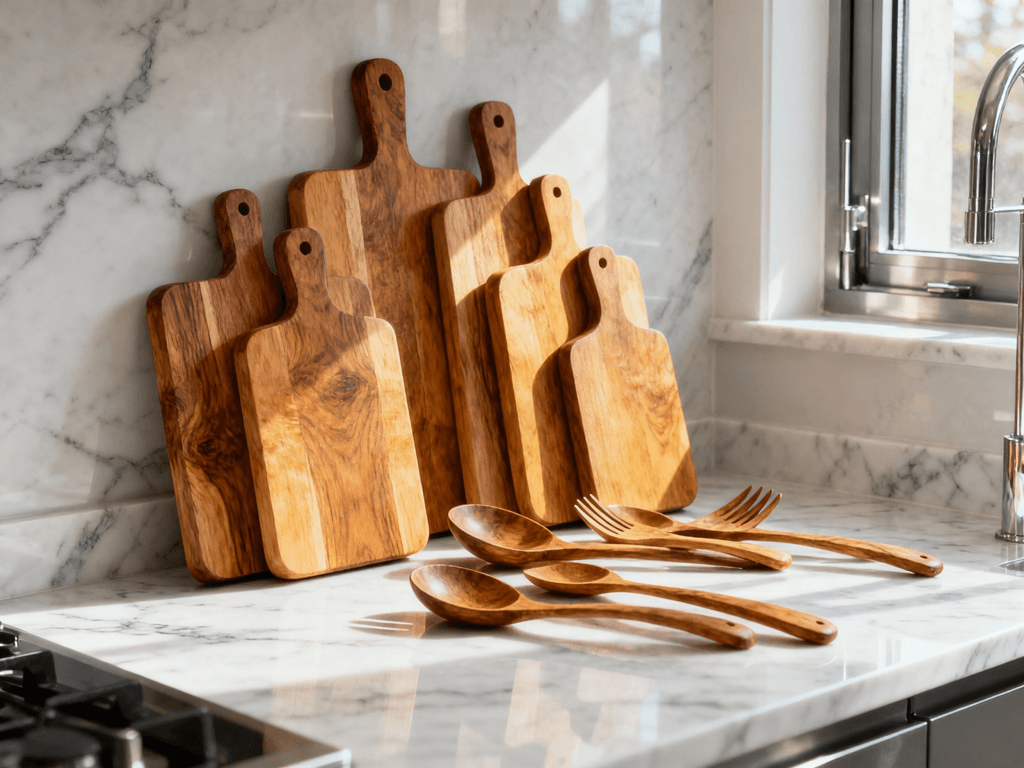
A custom wooden product sample is not only a photo for approval. For importers, wholesalers, private label brands, Amazon sellers, and retail buyers, it is the reference point that should control material, size, sanding, finish, logo position, packaging, and bulk production inspection. If the sample is approved loosely, the bulk order becomes hard to judge later.
For buyers sourcing from a wooden products manufacturer China, the sample stage is also where many hidden risks appear: wood color variation, moisture movement, logo burn marks, weak packaging, vague tolerances, and unclear responsibility for changes. EcoWoodPlate, operated by Cao County Puchuang Wood Industry Co., Ltd., treats sample approval as a production control step, not as a decorative presentation step.
This guide explains how B2B buyers can approve custom wooden products before placing a bulk order with a Chinese wooden products manufacturer, OEM wooden products supplier, or custom wooden products factory.
What Counts as a Custom Wooden Product Sample?
A sample can be a standard product with a buyer's logo, a modified size, a new surface color, a private label package, or a fully developed OEM / ODM item. In wooden products, even a small change can affect production. A different thickness may change drying behavior. A deeper engraving may leave darker burn marks. A tighter insert inside a wooden gift box may slow assembly. A new carton layout may change damage risk during export shipping.
Sample approval is most useful for buyers ordering wooden kitchenware, wooden gift boxes, wooden trays, laser engraved wooden products, wooden pet products, and private label wooden products. It is especially important when the order will be repeated seasonally or sold under the buyer's own brand.
Start With a Written Sample Brief
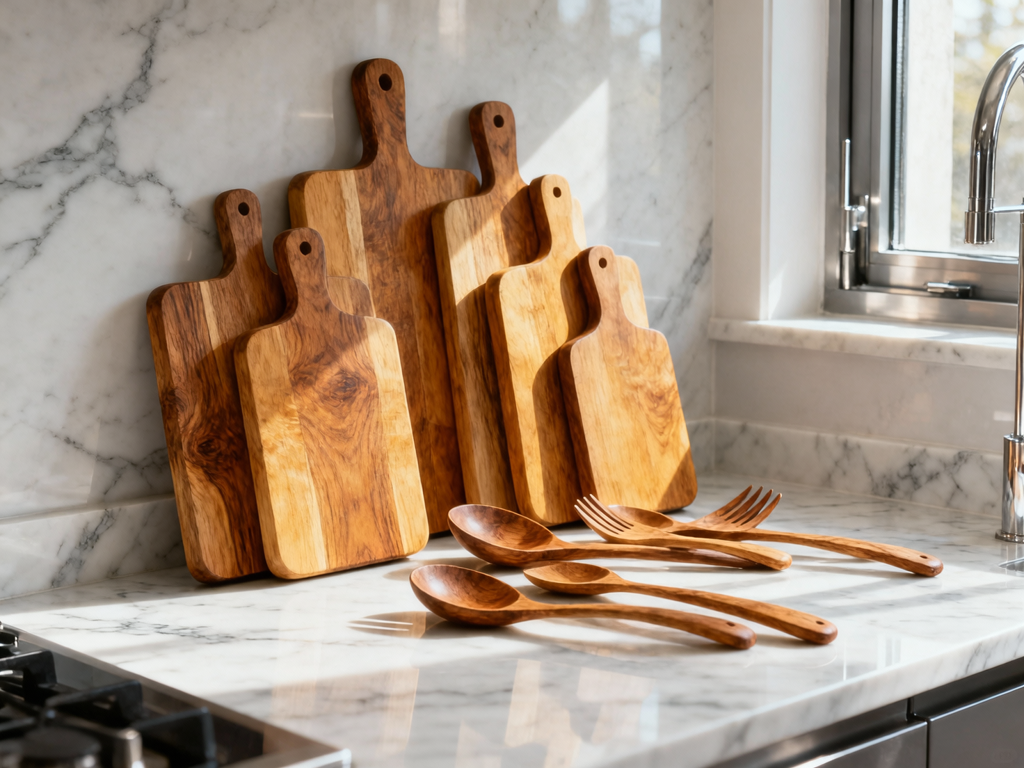
Before a factory makes a sample, send a short written brief. It does not need to be complicated, but it should remove guesswork. Include the product type, intended use, target market, approximate order quantity, required material, size range, logo method, surface finish, packaging style, and any retail or marketplace requirements.
For food-contact wooden kitchenware, buyers should state whether the product will touch dry food, wet food, oil, or hot dishes. For wooden gift packaging, explain the product that will go inside the box and whether an insert, ribbon, divider, or magnetic closure is needed. For wooden pet products, note expected weight load, edge safety, hardware, fabric, and assembly needs.
A clear brief helps EcoWoodPlate decide whether to recommend pine, paulownia, acacia, bamboo, plywood, MDF, or another suitable material. It also helps the factory warn the buyer if a design detail may cause cracking, warping, weak assembly, or excessive cost in mass production.
Check Material, Grain, Color, and Moisture Risk
Wood is not plastic. Color and grain are part of the material, so buyers should not approve a sample as if every bulk piece will look identical. The sample should show the acceptable range, not just the prettiest piece. Ask the factory to explain whether the final goods may have darker grain, lighter sapwood, knots, or natural mineral lines.
Moisture control is also part of sample approval. If a sample looks good but the material is not dried and stabilized properly, the bulk order may bend or crack after production, storage, or shipping. For wooden cutting boards, trays, boxes, and kitchen tools, buyers should ask how the factory controls incoming material, workshop storage, sanding timing, surface coating, and export packing.
At EcoWoodPlate, material checks normally include incoming board inspection, visible defect sorting, grain and color grouping when needed, machining tests, sanding review, and final surface checks. Buyers can also read the related guide on moisture control for wooden products when warping and cracking are major concerns.
Confirm Size, Tolerance, and Functional Fit
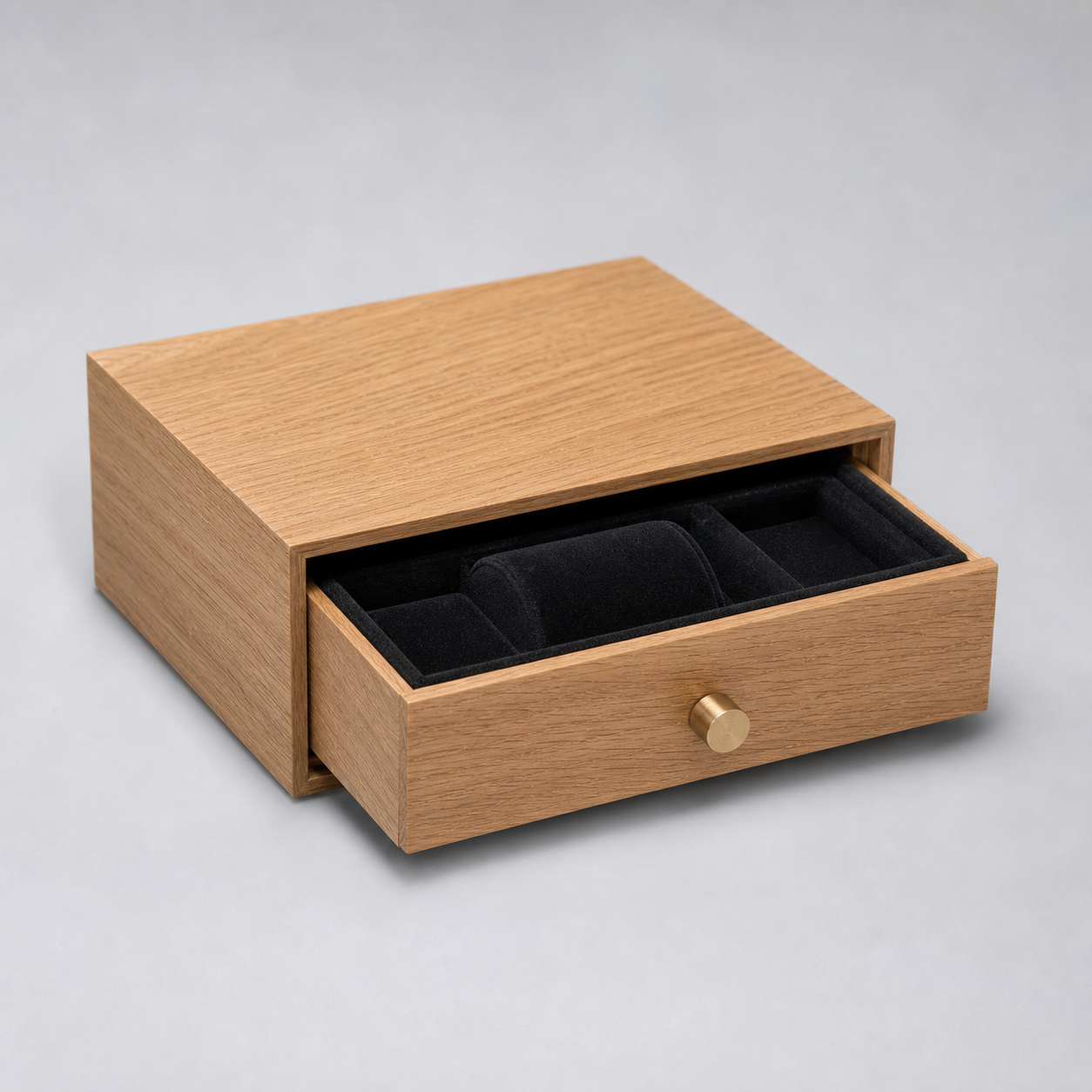
Do not approve only the overall look. Measure the sample. For wooden kitchenware, check length, width, thickness, handle shape, groove depth, edge radius, and whether the product sits flat. For a wooden gift box, check drawer movement, lid fit, hinge alignment, closure strength, insert dimensions, and whether the packed item moves during handling.
Buyers should define which dimensions are critical and which dimensions can have normal production tolerance. A decorative wooden tray may allow small natural variation, while a box insert for a fixed-size bottle or cosmetic item may need tighter control. The factory should know this before mass production starts.
If the product is assembled, test the sample the way a customer will use it. Open and close the box. Put the product into the tray. Place bowls into the feeder stand. Fold and unfold the bread slicer if the design includes moving parts. A sample that only looks good in a photo is not enough for a bulk order.
Approve Logo and Branding Details Separately
Logo approval deserves its own step. Buyers often ask whether laser engraving, hot stamping, screen printing, UV printing, or a metal badge will look the same in bulk production. The honest answer is that it depends on wood type, surface finish, logo size, artwork quality, and production setup.
For laser engraved wooden products, ask for a logo test on the actual material, not only on scrap wood. Check position, size, depth, edge sharpness, burn color, and whether the logo remains readable after oiling or coating. For private label wooden products, confirm both product branding and packaging branding before opening a bulk order.
EcoWoodPlate can test logo placement on wooden kitchenware, wooden gift boxes, trays, pet products, and other OEM wooden items. Buyers should approve artwork files, logo size, placement drawing, and physical sample together. If the buyer changes the logo after sample approval, the factory should create a new confirmation record before mass production.

Surface Finish and Food-Safe Coating Checks
Surface finish affects both appearance and customer complaints. A sample should be checked by hand, not only by eye. Feel the edges, corners, grooves, handle holes, and inner box corners. Rough sanding marks, sharp edges, and uneven coating are easier to fix at the sample stage than after a container order is finished.
For wooden kitchenware supplier projects, ask whether the finish is oil, wax, lacquer, paint, or another coating. If the product is intended for food contact, discuss the target market and coating requirements before the sample is made. Do not assume that a good-looking finish is suitable for every market or application.
For painted or stained wooden items, approve the acceptable color range under normal light. Wood absorbs stain differently depending on grain and density. A clear reference sample helps the factory sort pieces and reduce arguments later.
Packaging Should Be Approved With the Product
Many buyers approve the product first and think about packaging later. That creates risk. Wooden products can be damaged by corner impact, rubbing, humidity, compression, and rough courier handling. Packaging should be tested during sample approval, especially for e-commerce sellers and retail buyers.
Ask the factory to show inner protection, polybag or paper wrap, corner protection, divider, color box, master carton, carton marks, and pallet requirements if applicable. For heavier wooden products, carton strength and void filling are important. For gift boxes or finished kitchenware, surface rubbing inside the carton can create visible scratches.
A bulk wooden products supplier should understand export packaging, not only product making. EcoWoodPlate usually discusses packaging together with the sample so buyers can estimate carton size, loading method, labeling, and protection before confirming the order.
Sample Fee, MOQ, and Bulk Order Discussion
Sample cost and MOQ depend on product complexity, mold or fixture needs, logo method, packaging, and whether the item is based on an existing product. Buyers should be cautious of any supplier that gives a very low sample price but refuses to document materials, size, finish, or packaging.
A reasonable sample process should make the bulk order clearer. The factory should explain what is included in the sample, what still needs confirmation, and which changes may affect MOQ or production time. For custom wooden products, a small trial order may be useful when the buyer is testing a new market, but it still needs agreed inspection standards.
Bulk Production Consistency: What to Lock Before Production
Before mass production, lock the approved sample details in writing. The record should include material, dimensions, finish, logo artwork, logo position, color range, packaging, label details, carton requirements, and inspection points. Photos and short videos are helpful, but they should support the written specification rather than replace it.
For repeat orders, keep the approved sample record. If the buyer changes material, logo, packaging, or target market later, treat it as a new confirmation. This prevents confusion between old and new versions.
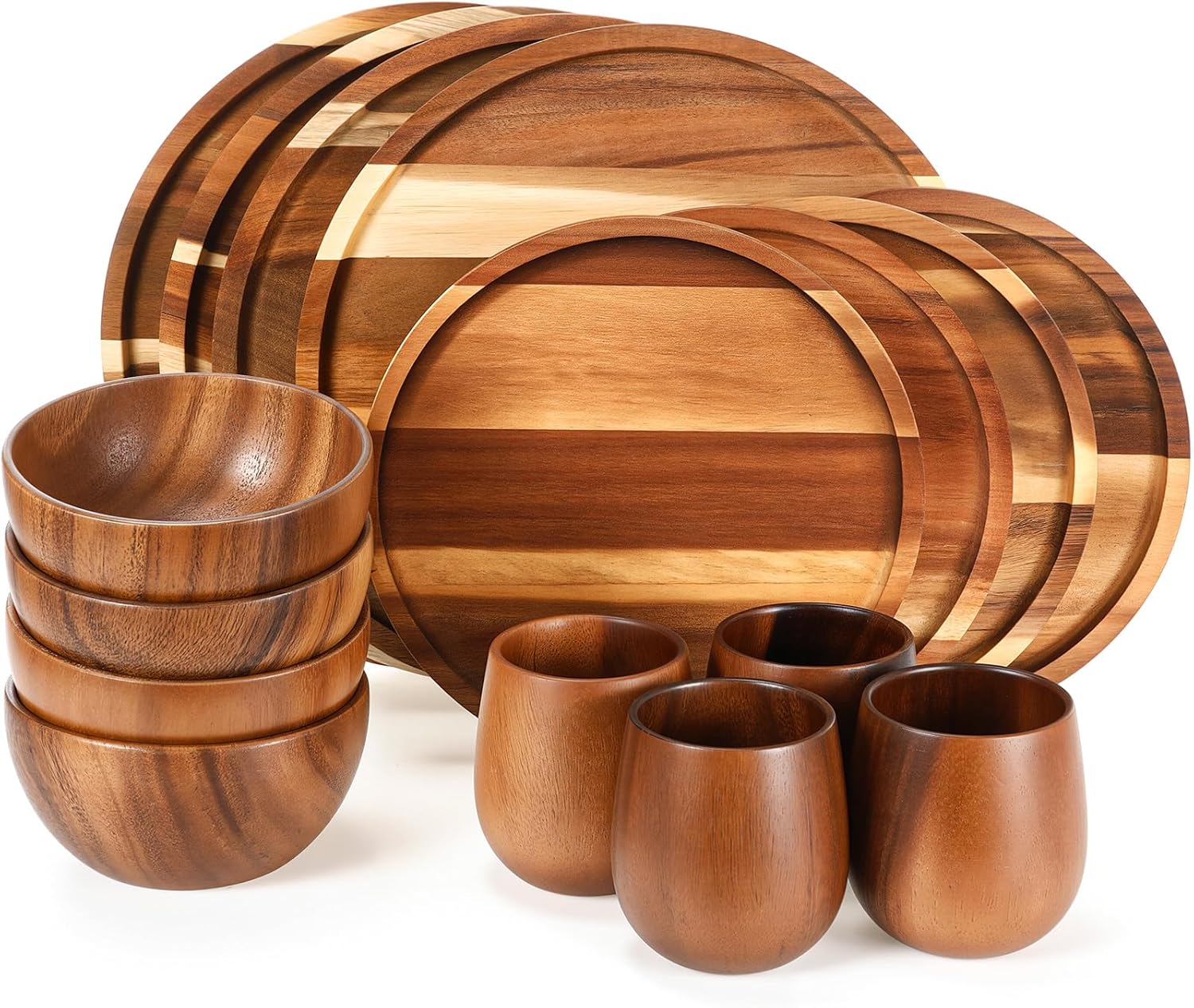
Sample Approval Checklist for Buyers
| Approval Area | What to Check | Why It Matters |
|---|---|---|
| Material | Wood species, grain, color range, visible defects | Prevents wrong expectations for natural wood variation |
| Moisture and stability | Flatness, cracking risk, storage and drying control | Reduces warping and cracking after shipping |
| Size and structure | Critical dimensions, assembly fit, moving parts | Keeps the product functional in bulk production |
| Logo | Artwork, position, depth, color, readability | Protects private label and retail presentation |
| Surface finish | Sanding, edge smoothness, coating, smell | Reduces customer complaints and rework |
| Packaging | Inner protection, box, carton, marks, labels | Controls transport damage and warehouse handling |
| Inspection | AQL points, photo report, pre-shipment check | Connects the sample to bulk order acceptance |
How to Work With EcoWoodPlate on Samples
EcoWoodPlate works as a custom wooden products factory and OEM wooden products supplier for buyers who need product development, logo customization, packaging, and export order support. The practical process usually starts with drawings, photos, target use, material preference, and expected order quantity. The factory then reviews feasibility, prepares a sample plan, confirms branding details, and uses the approved sample as the production reference.
For buyers comparing several factories, do not judge only by the fastest sample. A reliable supplier should ask questions before making the sample, explain production limitations, and document agreed details. That communication is often a stronger signal than a polished sample photo.
FAQ
How should I approve a custom wooden product sample?
Approve the sample by checking material, dimensions, function, finish, logo, packaging, and inspection criteria. Keep written specifications and photos as the bulk production reference.
Can the bulk order look exactly like the sample?
Natural wood has grain and color variation, so exact visual matching is not realistic. The goal is to define an acceptable range and lock critical details such as size, construction, logo, finish, and packaging.
Should I ask for a second sample after changing the logo or packaging?
Yes, if the change affects visible branding, structure, fit, or export protection. A second confirmation sample is usually cheaper than correcting a bulk order problem later.
What should importers check before placing a bulk wooden product order?
Importers should check supplier identity, material choice, moisture control, sample quality, logo process, MOQ, packaging, lead time, inspection standard, and export documents relevant to their market.
How can I verify a Chinese wooden products manufacturer?
Ask for factory information, product-specific photos or videos, sample records, production process details, packaging examples, and clear communication about tolerances and QC. A real manufacturer should be able to explain how the product is made, not only quote a price.
Soft Inquiry CTA
If you are preparing a custom wooden product sample for a private label, wholesale, retail, or OEM project, EcoWoodPlate can review your drawings, logo files, material preference, and packaging needs before sampling. Contact Cao County Puchuang Wood Industry Co., Ltd. through ecowoodplate.com with your product details, target market, and expected order quantity, and the team will help you turn the sample into a clear bulk production standard.
Need Factory Direct OEM/ODM Pricing?
Send your product, quantity, logo, packaging and destination country. Our factory team will reply with quotation guidance.
Request Factory Quote