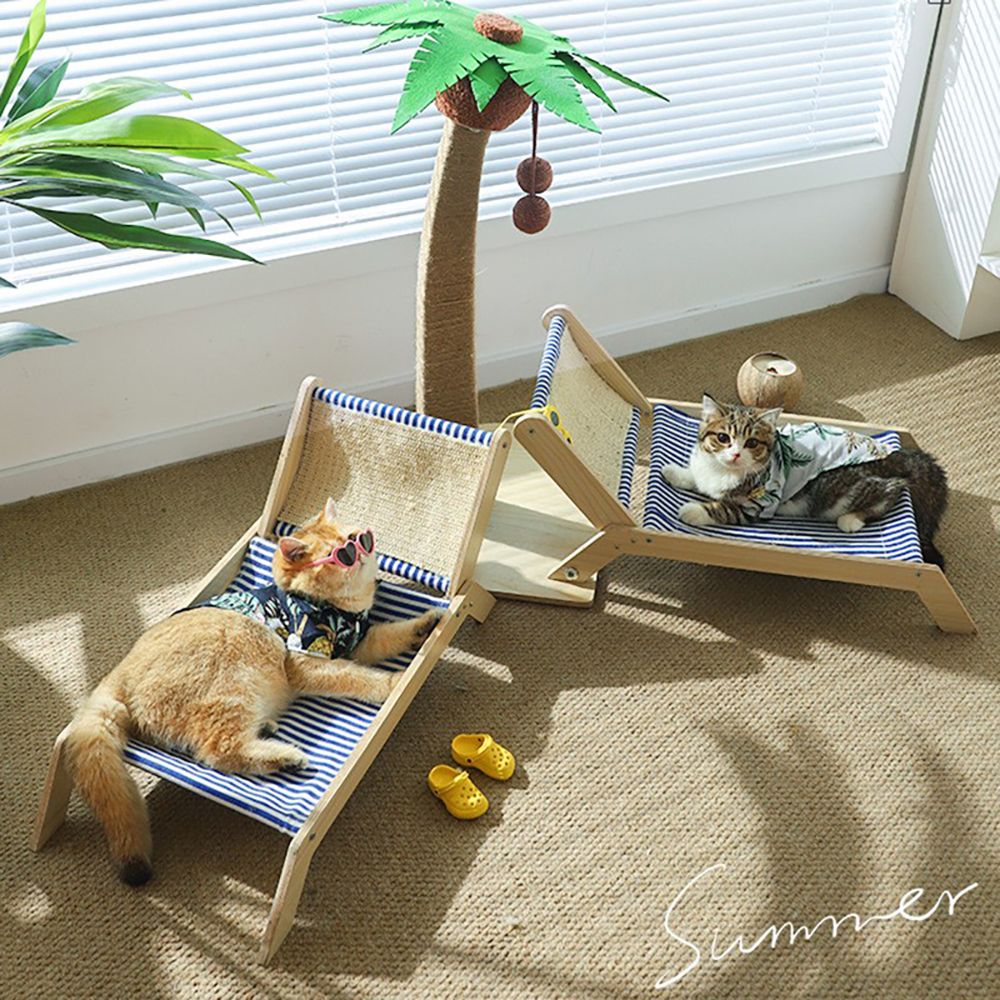
Wooden Cat Scratching Post Manufacturer OEM Guide
A wooden cat scratching post looks simple on a product page, but B2B buyers know the risks: a weak base can tip, sisal can loosen, edges can scratch hands during assembly, and a sample can look cleaner than the bulk shipment. For importers, wholesalers, pet brands, retail buyers, and Amazon sellers, sourcing this product is really about repeatable structure, safe materials, and packaging that survives parcel delivery.
EcoWoodPlate is operated by Cao County Puchuang Wood Industry Co., Ltd. as a Chinese wooden products manufacturer for pet furniture, gift packaging, kitchenware, and custom wooden products. This guide explains how to discuss a wooden cat scratching post order with a wooden products manufacturer China, what numbers to confirm before a bulk order, and how an OEM wooden products supplier should control sample-to-bulk consistency.
What is a wooden cat scratching post?
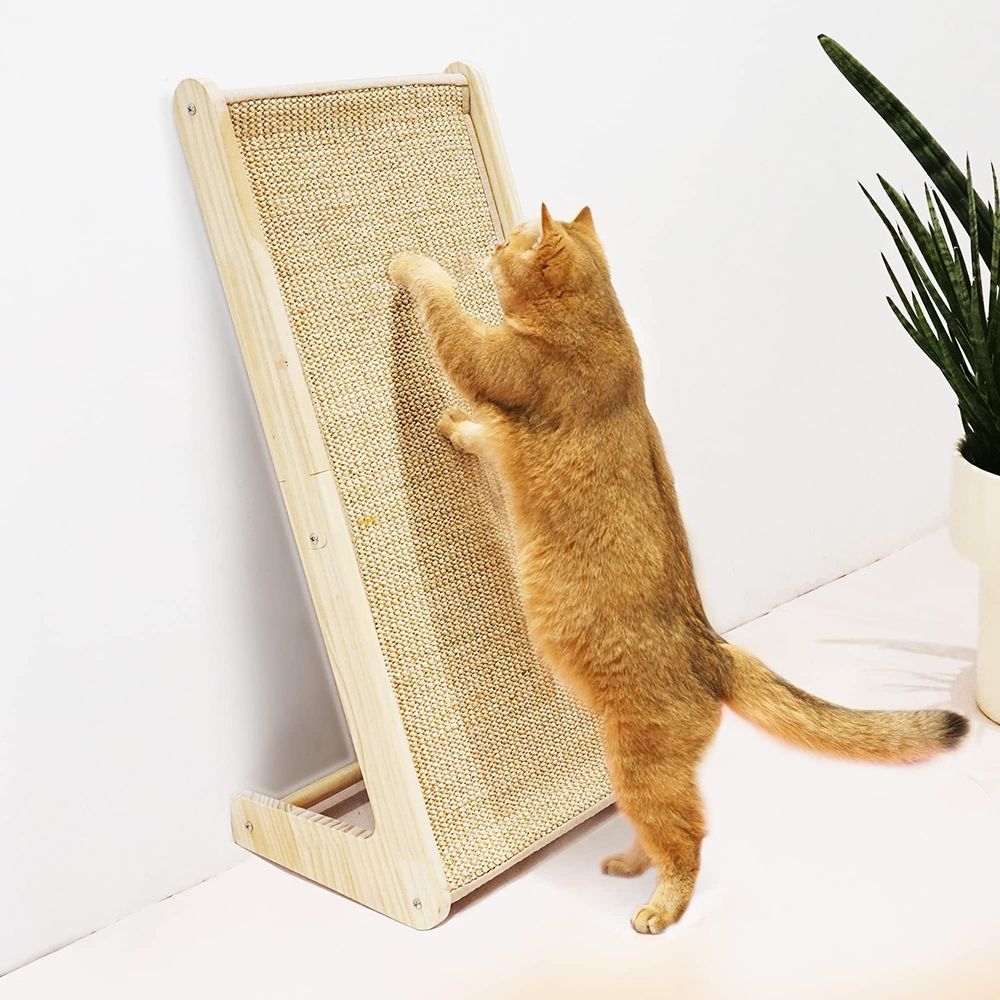
A wooden cat scratching post is a pet furniture item made with a wooden base, one or more vertical posts, sisal rope or fabric-wrapped scratching areas, and sometimes a small platform, hanging toy, perch, or hideaway. Compared with all-cardboard scratchers, wood-based designs are usually chosen for better structure, longer shelf presentation, private label packaging, and higher perceived value.
Typical B2B buyers include pet product importers, chain-store category managers, e-commerce sellers, subscription box brands, wholesalers, and ODM customers developing a new cat furniture line. The product can sit in a starter pet range, a premium indoor cat collection, or a compact apartment-friendly furniture assortment.
Material choices buyers should confirm
The main wooden parts are usually made from plywood, MDF, pine, rubberwood, or other engineered wood depending on cost target and structure. Plywood often gives better screw-holding strength than low-density board. Solid wood can look more natural, but it needs better moisture control and cost planning. For a compact scratching post, the base weight and board thickness matter more than decorative claims.
Ask the custom wooden products factory for the proposed board thickness, base dimensions, post diameter, screw type, rope material, and finish. Sisal rope should be tightly wrapped and fixed at both ends. If the product uses plush fabric, buyers should check shedding, odor, and glue control. For wooden surfaces, a low-odor finish is important because pet owners often notice smell as soon as the box is opened.
A practical RFQ case with numbers
Here is a realistic sourcing scenario based on common buyer questions, not a customer testimonial. A U.S. e-commerce buyer, Mia, wants a compact wooden cat scratching post for a 1,200-piece trial order. She asks for a 40 cm to 55 cm tall design, a base that does not wobble on hard floors, neutral packaging, and a small private label logo on the bottom label rather than on the visible wood.
The factory reply should not be a vague yes. A useful reply defines the sample path: confirm the drawing, make one pre-production sample, photograph the base, post, screw set, and carton protection method, then approve bulk production only after sign-off. For wooden pet furniture, a practical target is visible dimensional variation around 1-2 mm where the part affects assembly, checking wood moisture before production, and testing assembled units from the first batch before packing.
Mia: The sample looks stable, but how do we know the bulk posts will not wobble?
Chen, factory merchandiser: We will confirm the base thickness, screw length, and post diameter in the production sheet. During assembly inspection, we will pull samples from different cartons, tighten the screw set, and check wobble on a flat table before final packing.
Production workflow inside the factory
A controlled order starts with incoming material inspection. Boards are checked for cracks, delamination, heavy color difference, moisture problems, and surface defects. Cutting then follows the approved drawing. For round or curved parts, CNC cutting or turning can help keep the shape consistent. Edges are sanded because pet owners handle these products during assembly, and sharp corners create complaints even when the product is not used for food contact.
After sanding, posts are wrapped with sisal or fabric. The wrapping tension needs to be consistent. Loose rope at the top or bottom will become visible after a few weeks of use. Hardware is checked for length and fit. If the item is flat-packed, the factory should assemble several pieces before mass packing, because a screw hole that is 3 mm off can become a customer service issue after export.
OEM and ODM customization options
As an OEM wooden products supplier, EcoWoodPlate can discuss custom dimensions, base shapes, post height, sisal color, fabric color, surface finish, hanging toy style, instruction sheet, barcode label, carton mark, and retail packaging. For private label wooden products, many buyers prefer logo placement on the package, manual, or label rather than directly on a pet contact surface.
Laser engraved wooden products are possible when a wooden component has enough flat surface, but engraving should be tested on the exact material. Engraving on plywood, pine, or darker stained wood can produce different contrast. Before mass production, ask for a logo test photo with a ruler or reference card.
Sample, MOQ, and bulk order planning
Do not treat a sample as decoration. Use it to confirm the base size, weight, post strength, screw fit, odor, surface smoothness, rope tension, carton structure, and assembly time. A good sample approval note should include dimensions, material, color, logo position, accessory list, packaging method, and any acceptable natural wood variation.
MOQ depends on material, customization, packaging, and whether the product uses existing parts or a new drawing. Buyers should ask for a trial-order path instead of only asking for the lowest quantity. Separate the decision into sample approval, packaging approval, pilot quantity, and repeat order.
Quality control points before shipment
For wooden cat scratching posts, QC should focus on structure first, appearance second. Check whether the base sits flat, whether the post can be tightened without splitting the board, whether the top cap is secure, and whether rope ends are fixed cleanly. Then check sanding marks, color difference, visible glue, fabric shedding, odor, and carton marks.
- Approved sample photos and signed specification sheet
- Board thickness, post diameter, and base dimension confirmed
- Moisture condition checked before cutting wooden parts
- Sisal or fabric wrapping tension checked during assembly
- Logo, label, and barcode position confirmed before mass printing
- Assembly hardware packed in a sealed bag with instruction sheet
- Finished units sampled from different cartons before shipment
- Export carton protects corners, post ends, and surface finish
Packaging and shipping advice
Pet furniture often travels through several handling points before reaching the end customer. A single thin carton may not protect the base corners or post surface. For export and e-commerce orders, discuss inner protection, hardware bags, corner pads, carton compression, and whether the product ships assembled or flat-packed. Flat-pack design can reduce volume, but only if the instruction sheet is clear and the screw holes are reliable.
For Amazon sellers and retail buyers, carton labels should match the purchase order and SKU system. If the order includes multiple colors or sizes, carton marks need to prevent warehouse mixing. Photos of the final packed carton are useful before shipment, especially for first orders.
How to verify the manufacturer
A real wooden pet products manufacturer should be able to discuss material, cutting, sanding, assembly, finish, packaging, and inspection in detail. Ask for factory process photos, sample timing, export packing method, and a clear answer on what will be inspected before shipment. A trading company may still be useful, but buyers should know who controls production decisions.
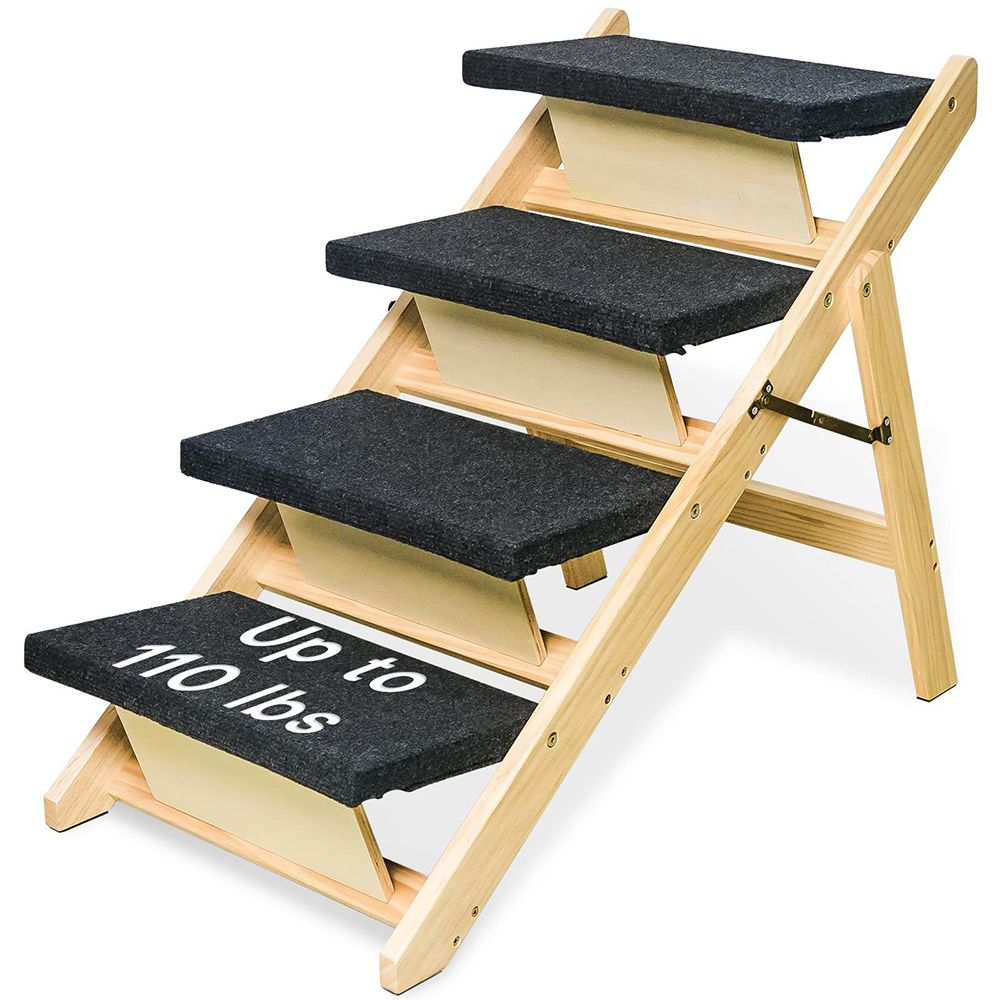
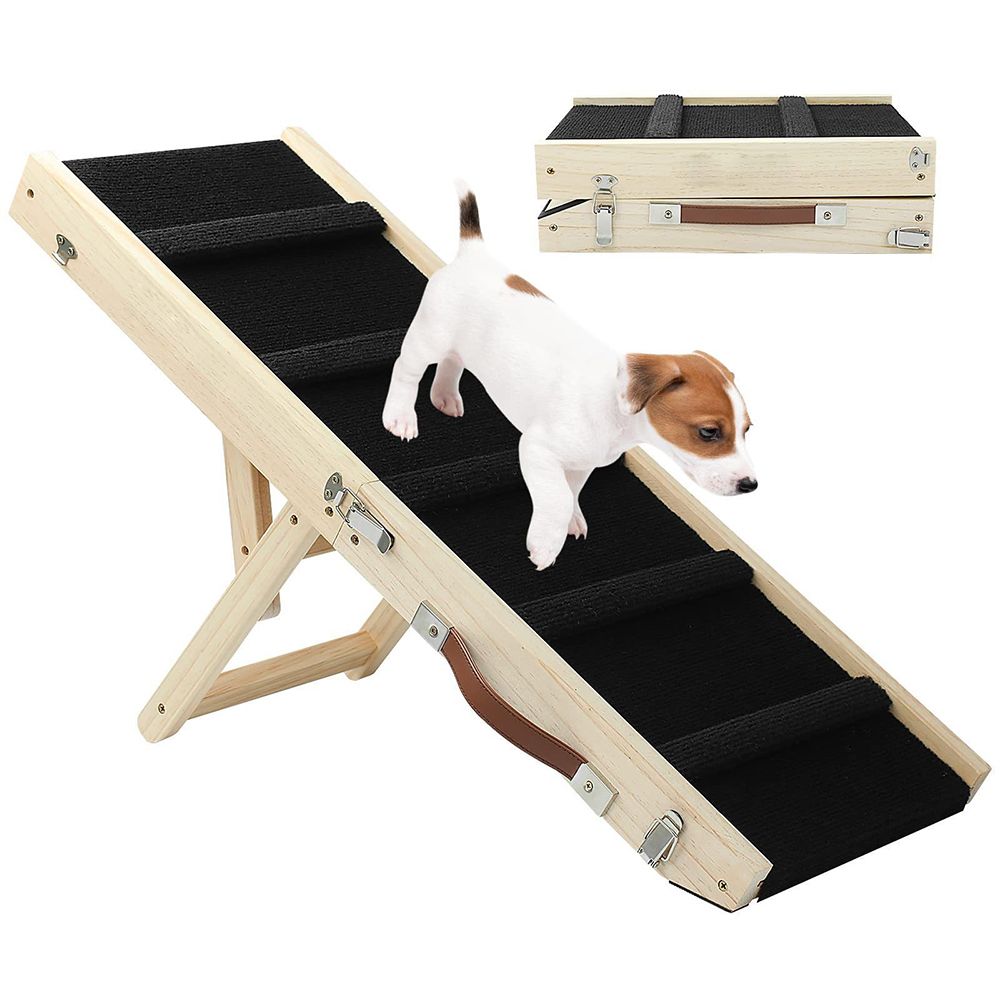
EcoWoodPlate and ecowoodplate.com position Cao County Puchuang Wood Industry Co., Ltd. as a custom wooden products factory for buyers who need factory-direct communication, OEM development, and repeatable wooden product production. If your project includes cat scratching posts, cat houses, pet stairs, or other wooden pet furniture, prepare drawings or reference images and ask the factory to comment on structure, cost drivers, and packaging risks before quoting.
FAQ
How do I source custom wooden cat scratching posts from China?
Start with a target size, reference photo, material preference, packaging type, and order plan. Then ask the supplier for a sample process, QC checklist, and export packing proposal before confirming bulk production.
What should importers check before placing a bulk order?
Check base stability, post strength, screw fit, sisal tension, odor, sanding, logo or label accuracy, carton protection, and whether the approved sample details are written into the production sheet.
Can EcoWoodPlate support private label wooden pet products?
Yes. EcoWoodPlate can discuss private label packaging, labels, instruction sheets, logo placement, dimensions, color, surface finish, and OEM or ODM adjustments for wooden pet products.
What packaging is suitable for wooden cat scratching posts?
Use packaging that protects the base corners, post ends, finish, hardware, and labels. For e-commerce, consider stronger cartons, inner pads, sealed hardware bags, and clear assembly instructions.
Soft inquiry note
If you are comparing a Chinese wooden products manufacturer for cat scratching posts or other wooden pet furniture, send EcoWoodPlate your size target, reference photos, packaging needs, and expected order plan. The team can review the structure, sample process, logo options, and export packaging before you commit to a bulk order.
Need Factory Direct OEM/ODM Pricing?
Send your product, quantity, logo, packaging and destination country. Our factory team will reply with quotation guidance.
Request Factory Quote