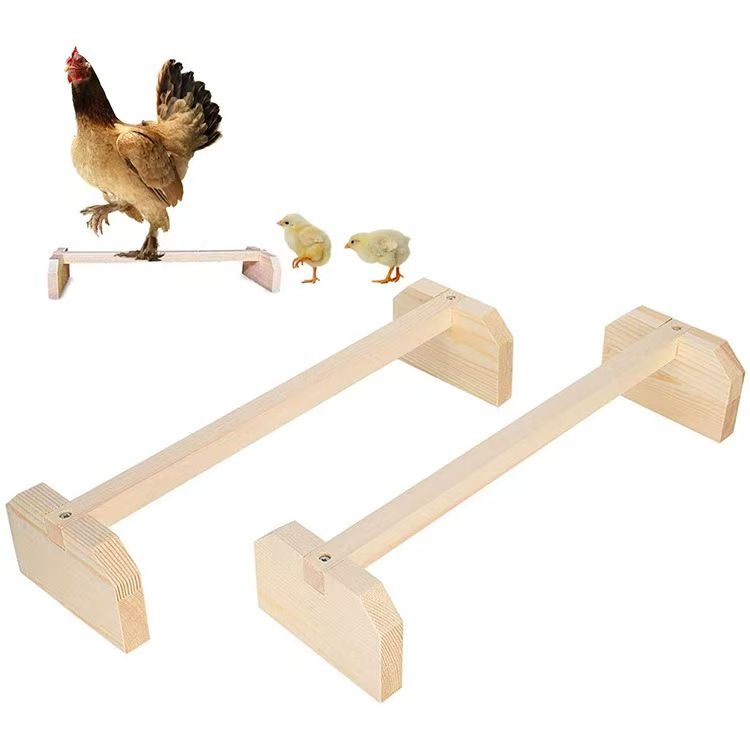
Wooden Poultry Perch Manufacturer: OEM Sourcing Guide
A wooden poultry perch manufacturer should be able to turn a simple roost into a controlled retail product: the specified bar profile, smooth edges, stable supports, consistent holes, counted hardware, clear instructions, and packaging that prevents long wooden parts from moving inside the carton. These details matter to poultry-equipment importers, farm-supply wholesalers, backyard-chicken brands, retail buyers, and e-commerce sellers.
EcoWoodPlate is operated by Cao County Puchuang Wood Industry Co., Ltd. Through ecowoodplate.com, the company works as a Chinese wooden products manufacturer and OEM wooden products supplier for overseas B2B buyers. Its public catalog lists a solid-pine wooden poultry perch for chickens and chicks with an MOQ of 200 pieces and a stated production lead time of 10??5 days.
What is a wooden poultry perch?
A wooden poultry perch is a raised bar or platform that gives chickens or chicks a place to stand or roost. The EcoWoodPlate catalog product uses a round wooden bar between shaped block supports. Other commercial designs use a wide board, an oval bar, a natural branch profile, a wall-mounted bracket, or a multi-level frame.
The product can fit farm-supply distribution, poultry accessory ranges, garden retail, educational farm kits, pet-product wholesale, and private label e-commerce. The intended use must be stated clearly. A perch for chicks in a brooder is not automatically suitable as an overnight roost for adult hens, and a sheltered indoor accessory is different from a product exposed to rain and large temperature changes.
Do not approve the bar profile from a product photo alone
Recent poultry-owner discussions show an important design disagreement. Many owners prefer a wide, flat roost with eased edges, especially for adult birds and cold conditions. Others report successful use of branches or round bars. Cleaning also changes the decision: rope-wrapped or porous surfaces may provide texture, but buyers worry about trapped dirt and difficult sanitation.
For a B2B buyer, the lesson is not that one internet comment settles the specification. It is that bar width, cross-section, edge radius, surface texture, height, spacing, and removability are functional requirements. Ask a poultry specialist or target-market tester to approve the geometry for the bird type and use environment. Then give the factory a dimensioned drawing.
For example, a buyer might specify a 600 mm finished bar, a length tolerance of ?2 mm, a defined bar diameter or top width, and a minimum eased-edge radius on supports. These are illustrative buyer-defined numbers, not EcoWoodPlate default specifications. The approved values should come from the buyer?? product assessment and market requirements.
Material selection for a private label poultry perch
| Material option | Why a buyer may choose it | What to confirm |
|---|---|---|
| Solid pine | Light, workable, and consistent with EcoWoodPlate?? listed poultry perch | Knot limits, moisture condition, resin pockets, sanding, and intended exposure |
| Beech or another hardwood | Dense surface and good wear resistance | Weight, machining, color range, and carton protection |
| Plywood supports | Stable CNC-cut shapes for brackets or flat-pack frames | Panel grade, exposed-edge treatment, screw holding, and buyer-market requirements |
| Natural branch-style wood | Variable grip and a less uniform appearance | Diameter range, bark policy, drying, cracking, pests, and batch variation |
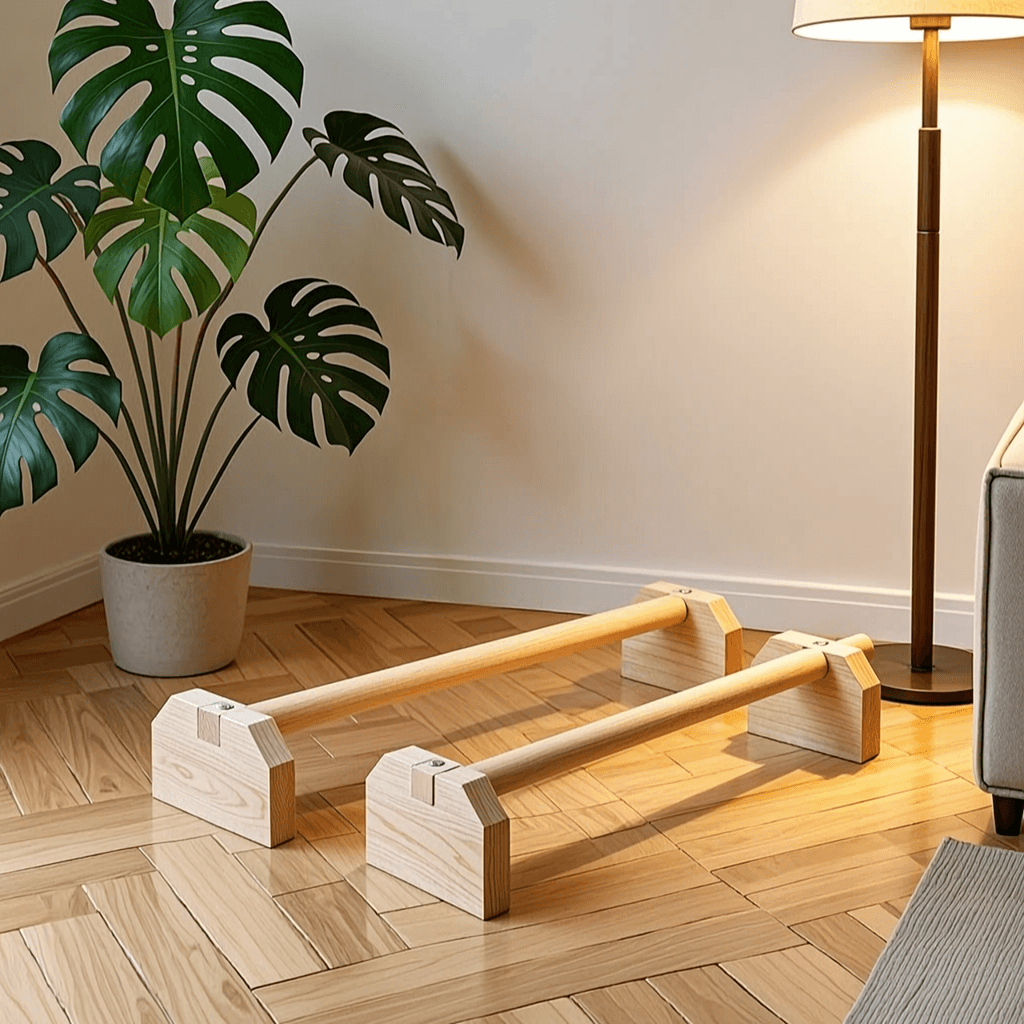
Production flow: where repeatability is created
- Incoming material inspection. Confirm species, dimensions, visible defects, knots, grain, and moisture condition before production.
- Cutting and shaping. Sawing, routing, CNC cutting, drilling, or turning establishes bar length, support geometry, and hole position.
- Edge treatment and sanding. Operators remove sharp corners, torn grain, loose fibers, and rough drilled edges without making the approved grip surface too slippery.
- Dry fitting. Bars, supports, screws, inserts, and brackets are assembled to check alignment, wobble, and hole position.
- Surface treatment. If the specification includes oil, stain, paint, or another finish, approve color, odor, cure, cleanability, and destination-market requirements.
- Logo test. Laser engraving, printing, a logo plate, a label, or a carton mark is checked against version-controlled artwork.
- Final inspection and packing. Dimensions, surface, assembly, hardware count, labeling, and carton protection are checked before shipment.
A real catalog case: make the numbers conditional
The live EcoWoodPlate catalog gives buyers a real starting case: solid pine, 200 pieces MOQ, and 10??5 days of stated production time. It would be a mistake to copy those figures into a purchase plan without qualification. A standard item in bulk cartons is different from two sizes with separate labels, custom engraving, retail boxes, barcode placement, and a new instruction sheet.
A more useful RFQ says: ??lease quote 600 units total, split into two approved lengths, with one logo version, four screws per unit, an English instruction card, and 12 units per export carton. Confirm whether the 200-piece MOQ applies per size or across the complete order.??This is an illustrative request, but it exposes the cost and control variables before sampling.
A representative buyer??actory dialogue
The people below are representative roles, not a claim about a named customer.
Maya, purchasing manager: ??he drawing shows a 600 mm bar, but the retail box has only 610 mm internal length. Can production hold ?2 mm???/p>
Factory merchandiser: ??e can review that after the first machined sample. The carton also needs end protection, so the bar should not press directly against the box.??/p>
Maya: ??lease include the end pads in the packing sample and photograph the unit, hardware bag, instruction card, and closed carton before approval.??/p>
OEM and ODM details that belong on the approval sheet
A custom wooden products factory can adjust bar length and profile, support height, hole position, mounting method, color, surface treatment, logo, instructions, and packaging. Each variable needs an approval method. ??atural color??is not measurable; use an approved sample or agreed color range. ??mooth??is equally vague; state that hand-contact surfaces, bar ends, support edges, and drilled holes must be free of sharp edges and loose splinters.
Logo position is easier to control with a dimensioned proof. State logo width, distance from the nearest edge, orientation after assembly, and acceptable contrast on variable grain. For laser engraved wooden products, request a physical test on production material because earlywood, latewood, and knots can produce different engraving tones.
Samples and MOQ: separate structure risk from branding risk
Ask whether a stock sample can confirm workmanship and whether a custom sample is required for the bar profile, finish, logo, or packaging. Digital proofs cannot confirm surface feel, joint fit, odor, or carton movement.
MOQ should be discussed by SKU, size, finish, logo version, and packaging version. A 200-piece factory minimum may mean 200 identical units. Splitting that quantity into four sizes and four artworks creates sixteen combinations to label and inspect. For a pilot order, reduce variables or ask whether a mixed-SKU program is technically and commercially workable.
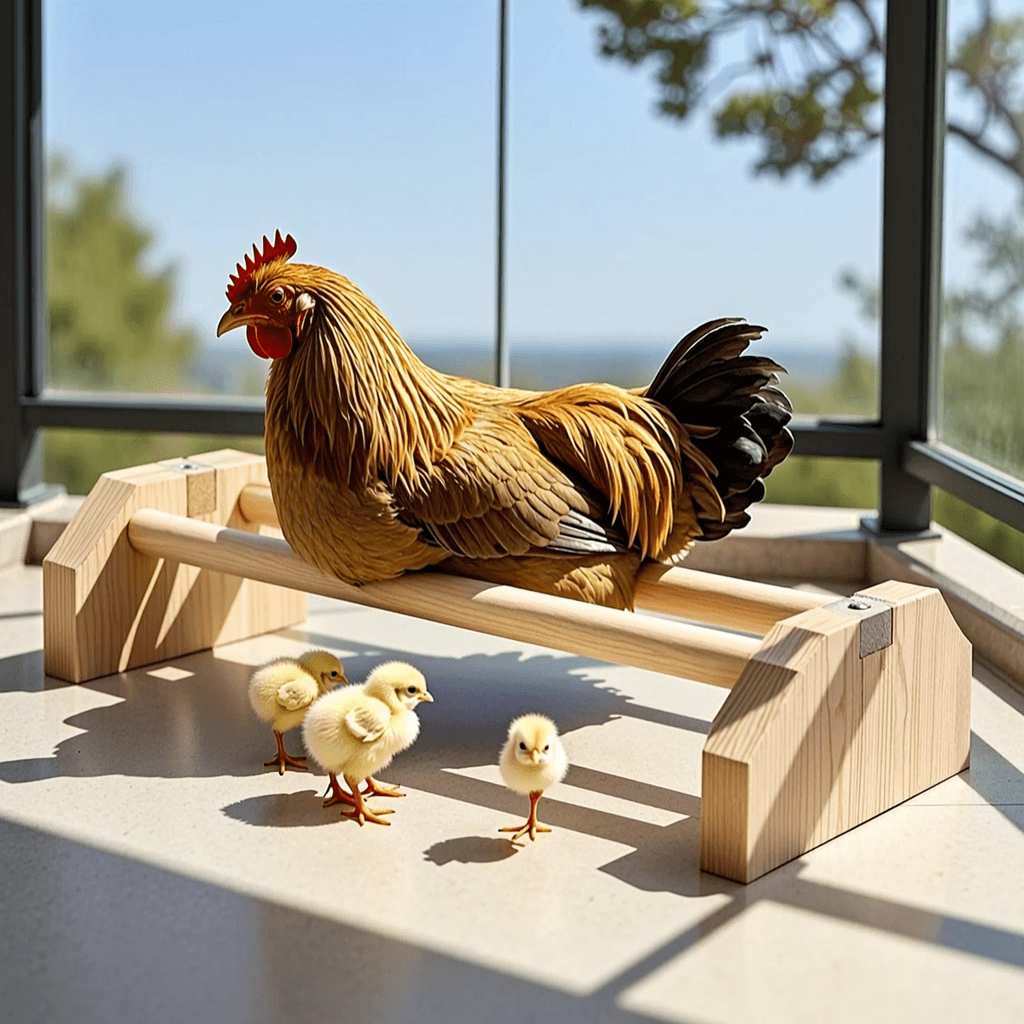
Quality control for a bulk poultry perch order
- Verify material identity and approved limits for knots, cracks, resin, and color variation.
- Measure bar length and profile, support spacing, overall height, and drilled-hole position.
- Run a gloved-hand and bare-hand check for sharp edges, torn grain, and splinters.
- Confirm that assembled units sit flat and do not rock under the buyer-defined test.
- Check screw engagement, inserts, brackets, and the accessory count per unit.
- Compare finish, odor, gloss, and logo position with the signed sample.
- Inspect end grain and areas around holes and fasteners for cracks.
- Perform buyer-defined load, stability, and cleaning checks appropriate to the design.
- Match each SKU, barcode, instruction sheet, and carton mark to the packing list.
Define critical and major defects, measurement tools, inspection quantity, and the shipment-release rule. EcoWoodPlate?? factory capability page can support the process discussion, but the purchase specification remains the controlling document.
Packaging and shipping advice
Long wooden parts can split cartons, rub against each other, or take impact at the ends. Approve a packing diagram. Separate finished faces where abrasion is possible, immobilize bars and supports, contain screws in a sealed hardware bag, and place instructions where they will not be damaged. End pads or corrugated partitions may be more useful than loose filler.
For e-commerce, test the packed unit as well as the master carton. Check internal movement, hardware containment, barcodes, carton marks, moisture exposure, and crushed corners. The export packaging guide provides additional checkpoints.
Buyer?? RFQ and approval checklist
- Bird type, age range, and intended indoor, sheltered, or outdoor use
- Drawing with bar profile, length, height, holes, supports, and tolerances
- Wood species and approved material alternatives
- Moisture, knot, crack, resin, color, surface, and edge requirements
- Mounting method, screws, brackets, and spare-parts policy
- Logo file, size, location, method, and physical approval
- Sample type and signed-sample retention
- MOQ by SKU, size, finish, and artwork version
- Retail box, hardware bag, instructions, barcode, and carton marks
- QC measurements, functional tests, inspection plan, and shipment approval
- Quantity, destination, trade term, and target delivery window
FAQ
How do I source wooden poultry perches from China?
Send a dimensioned RFQ to a wooden poultry perch manufacturer, validate the geometry for the intended birds, review material and mounting details, approve a physical sample with packaging, and define bulk inspection criteria before production.
Should a chicken perch be round or flat?
There is no responsible one-line answer for every bird and setting. Poultry owners often prefer wide flat roosts, while branches and round bars are also used. Validate the bar profile, width, surface, and use duration with a suitable product adviser and target-market testing.
What should importers check on a poultry perch sample?
Check bar profile, edges, splinters, dimensions, hole position, stability, hardware, finish, odor, logo, instructions, cleanability, and the packed carton. Keep one signed sample as the bulk reference.
What is the MOQ for EcoWoodPlate?? listed poultry perch?
The public catalog currently lists 200 pieces and a 10??5-day production time. Confirm whether the MOQ applies per configuration and whether custom size, finish, logo, or retail packaging changes the commercial terms.
How should wooden poultry perches be packed for export?
Immobilize long parts, protect ends and finished faces, seal and count hardware, include clear instructions, and verify barcodes and carton marks. Approve the complete packing sample before bulk production.
Discuss a measurable poultry-perch specification
EcoWoodPlate and Cao County Puchuang Wood Industry Co., Ltd. can review drawings, physical references, logo plans, finish requirements, and export packaging for poultry accessories. Buyers comparing a wooden poultry perch manufacturer, wooden pet products manufacturer, bulk wooden products supplier, private label wooden products program, or wooden products manufacturer China partner can use the checklist above to make quotations comparable. Send the EcoWoodPlate inquiry team your quantity, dimensions, destination, packaging style, and delivery window for a project-specific review.
Need Factory Direct OEM/ODM Pricing?
Send your product, quantity, logo, packaging and destination country. Our factory team will reply with quotation guidance.
Request Factory Quote